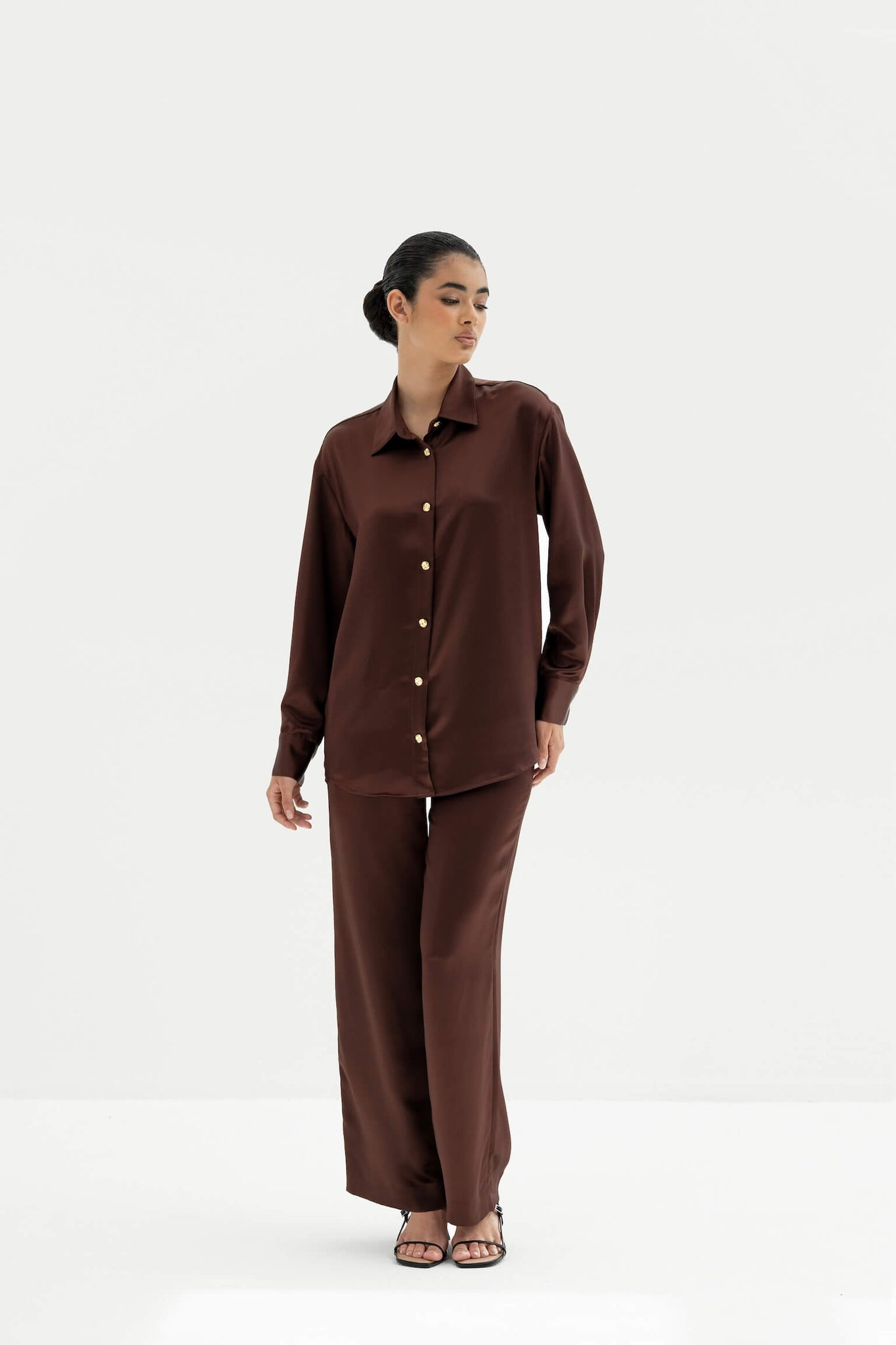
The One-Minute Post-Wear Routine That Keeps Clothes Looking New
There’s a moment after dinner, when you’re home, your heels are off, and you’re halfway to placing your dress on the nearest chair like it’s a temporary decision. That’s the moment that decides how long your clothes hold up.
I learned that by watching my grandmother handle her Chanel jacket after parties. No ceremony. No fuss. One minute, tops, before it went back where it belonged.
This routine isn’t a “system.” It’s five small moves, done right after you take something off. My dry cleaner in DIFC mentioned it once, casually, the way people do when they’ve repeated the same advice a thousand times. I tried it for a week. I went back less. I also stopped discovering “surprises” later, when they were harder to fix.
What changed is simple. I stopped dropping clothes on a chair and calling it a break. I started looking at what I’d worn for a few seconds. You notice more than you expect. A tiny pull you’d miss in a mirror. Deodorant marks that settle if you ignore them. A spot that disappears fast when it’s fresh, then becomes a whole situation after a few days in the hamper.
The Routine (I Timed It, It Was 47 Seconds)
1. Hold it up to the light.
Not for long. Just long enough to see what you didn’t notice while you were out.
2. Check the stress points.
Underarms, neckline, hems, anywhere the fabric worked hard. If I’m wearing something off-shoulder, like The Aria Off-Shoulder Dress, I check where the elastic sits first. That’s where wear shows up early.

3. Spot-clean right away, gently.
A little water, a tiny drop of hand soap, and a fingertip. I dab. I don’t rub. Makeup at the neckline usually lifts now. Later, it’s more stubborn. For wine, I keep seltzer water in the closet. It’s one of those old habits that keeps proving itself.
4. Let it rest before it goes back in the closet.
Ten minutes over a chair back is enough. Clothes need a moment to cool down and dry out. Hanging something that’s still a little warm or damp is how creases become permanent, and how closets start to feel less fresh than they should.
5. Use a hanger that matches the piece.
Those thin wire hangers from the dry cleaner aren’t doing you any favors. Knits like a padded hanger. Structured pieces look better on wide wooden ones. Skirts can go on clip hangers, but I put a bit of fabric between the clip and the garment so it doesn’t leave a mark.
Then I give the piece space. Not a dramatic amount, just enough that it isn’t pressed into its neighbors. Tight hanging creates wrinkles, transfers scent, and makes fabrics rub against each other more than they need to.
Fabric Has a Memory, Even If You Don’t
Some fabrics forgive. Others remember everything.
Viscose knit will keep the shape you leave it in. If it sits crumpled, it keeps the creases. Satin shows water spots if you don’t blot properly, and it doesn’t pretend otherwise. When I treat pieces well the minute I take them off, they return to themselves faster.
I noticed it most with knit sets. The ones I smoothed out and hung properly still look fresh after a lot of wears. The ones I left “for later” started to look tired much sooner.
The small detail people skip is this: your clothes are still warm when you take them off. That warmth makes fibers more relaxed. Wrinkles release more easily. Odors lift faster. Wait until the next day and everything has had time to settle into place.
The Dubai Factor
Dubai adds its own rules, and they’re practical.
Outdoor heat is constant. Indoor air conditioning is uncompromising. The shift alone can change how fabric behaves. Salt marks set faster here. Deodorant can react differently in high heat. Humidity does its own thing, especially in August.
After a long lunch at La Petite Maison, a piece can carry perfume from friends, restaurant scent, and that chilled, slightly treated air you notice in malls without meaning to. If I air a garment out right away, it stays crisp. If I put it straight into a closed closet, it keeps the whole story.
I learned that the hard way with linen once. It looked fine, then it didn’t. Now, I don’t rush anything into storage when the air feels heavy.
Different Fabrics, Slightly Different Treatment
Satin likes cool, dry rest. I don’t hang it until it’s fully dry. Water spots can linger. If I’ve worn something like The Rayssa Scarf Gown, it gets time on a chair back first, then it goes away properly.
Viscose knit responds well to quick attention. I smooth it with my hands while it’s still warm. That’s it.
Cotton holds onto scent more than you’d think. It often needs more air time, but it also releases most fresh marks quickly when you catch them early.
Bamboo and TENCEL are naturally more forgiving between washes, which is part of why I like them. Still, the minute matters. Freshness isn’t only about washing. It’s also about what happens right after wear.

The Dry Cleaner Truth
Dry cleaning is helpful, but it isn’t gentle. Every visit takes something out of a garment over time. A lot of what people send in doesn’t need chemicals. It needs air, a dab of water, and better storage.
My dry cleaner once pointed to a rail of incoming pieces and said, with the calm of someone who has seen it all, that many of them could’ve stayed home if they’d been cared for immediately. He wasn’t trying to talk himself out of business. He was stating what he sees every day.
Rotation Is Quiet Luxury
Clothes need a break between wears. Not for drama. For practical reasons. Residual moisture and body oils need time to dissipate fully.
I keep a simple rule for myself. I don’t wear the same piece two days in a row, even if it seems fine. Special pieces especially. If you wear your favorite dress every weekend, it will age faster than you want it to.
Storage Habits That Add Years
I remove plastic dry cleaning covers right away. They trap what you want released.
Cedar and lavender are worth keeping around. They help with freshness, and they make a closet feel cared for. If your closet gets any direct light, it’s worth thinking about how you filter it. Sun fades fabric slowly, then all at once, and it’s never even.
When I Don’t Follow Any of This
Gym clothes go straight into the wash. Same with anything worn during illness. Beach and pool wear needs a rinse quickly, because salt and chlorine aren’t patient.
That’s the line. Everything else gets the minute.
The Psychology of Care
The routine changes how you see your clothes. They stop being disposable. You notice quality differences. You make better purchasing decisions.
I started buying fewer, better pieces. When you spend 47 seconds caring for something after each wear, you get pickier about what deserves that time.
The routine also reveals which brands cut corners. Cheap fabric pills after five wears no matter how carefully you treat it. Quality pieces reward good care by lasting years.
Building the Habit
Start with your five favorite pieces. Just those. Do the routine religiously for two weeks. You'll see the difference.
Then expand. Eventually, tossing clothes on the chair feels wrong. The minute of care becomes automatic, like brushing your teeth.
Keep supplies in your closet. Seltzer water, white cloth, wooden hangers. Having everything there removes excuses.
The Cost Calculation
One minute per wear. Say you wear something 30 times a year. That's 30 minutes total.
That half hour doubles the garment's lifespan. Cuts dry cleaning by 70%. Prevents most repairs.
Do the math on your wardrobe's value. The time investment pays for itself quickly.
What This Means for Your Style
When clothes last longer, you build a better wardrobe. You can invest in pieces you love, knowing they'll serve you for years.
You develop signature pieces. That dress you've worn to every important dinner for three years, still looking perfect. The set that travels with you everywhere, never letting you down.
Quality becomes more obvious when you're examining clothes closely every time you wear them. You start noticing better construction, superior fabrics, thoughtful details. You gravitate toward pieces that reward your care with longevity.
The one-minute routine transforms your relationship with clothes. They stop being something you consume and discard. They become investments you maintain. And when you find brands that create pieces worthy of that care - pieces that actually improve with proper attention rather than deteriorating despite it - you've found something worth keeping.