


Why Your Next Investment Piece Should Be Sustainable
Last week, a friend held an Italian-label dress over her arm like a decision waiting to be made. It was pure brunch-at-Coya energy, the kind of outfit that makes you feel calm, cool, and out of reach. She read the tag, met my eyes, then studied the dress again.
“Who made this?” she said.
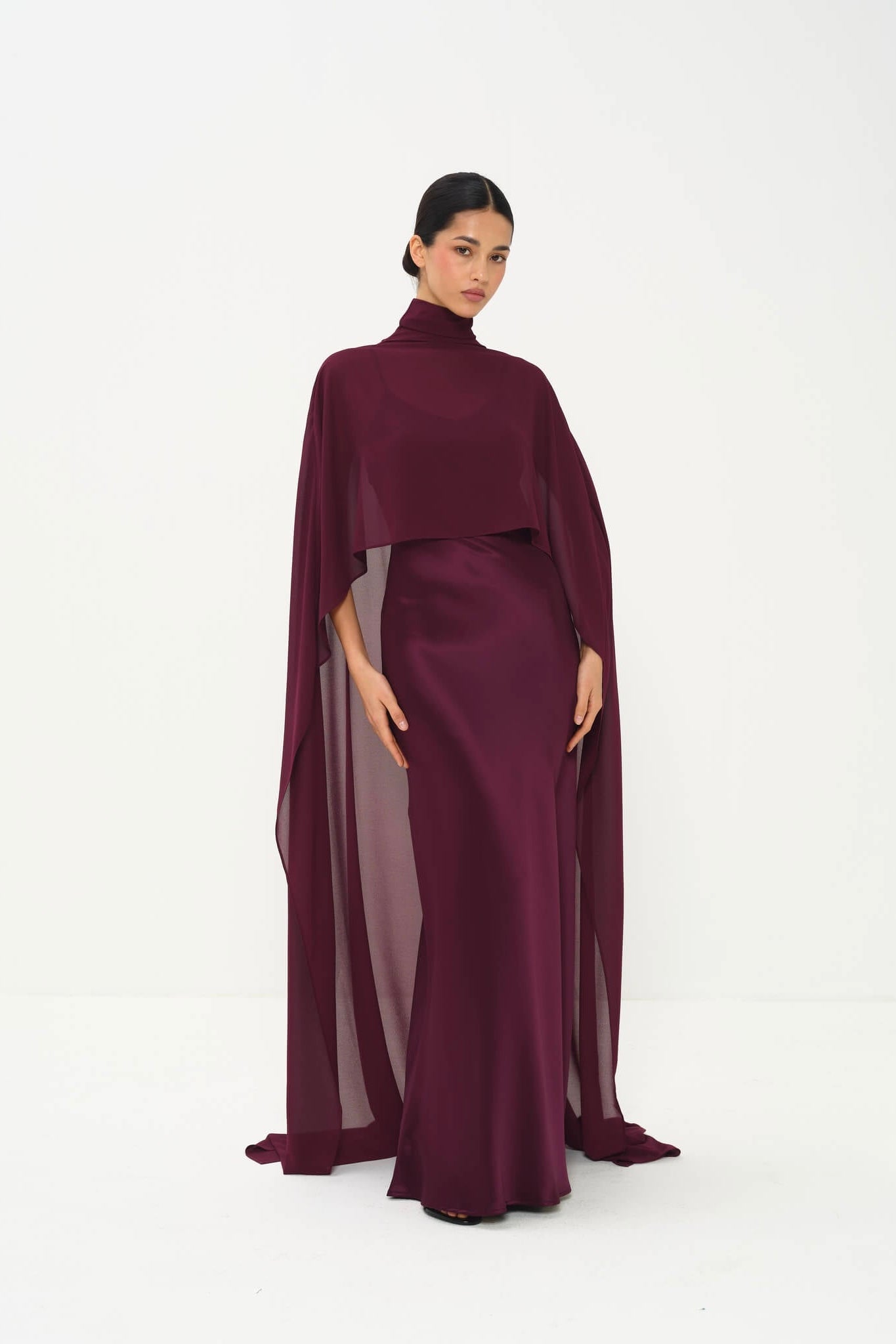
That question used to feel niche. Now it’s normal. It comes up between courses at Gaia, and during late-night scrolling, and in group chats that used to send discount links and now send fabric composition screenshots instead. They want to know if their Estelle Cape Gown was made with Naia satin (spoiler: it is). They care about workers' conditions so they Googled "Naia Satin carbon footprint" at 2am.
I'm one of them.
What Does Sustainable Luxury Mean?
A few years ago, “sustainable” in fashion came with a certain look and a certain tone. It felt earnest, sometimes too earnest, and it often asked you to give up beauty for good.
That version doesn’t hold up anymore.
The shift is simple. We got tired of disposable. Tired of buying pieces that look great once, then sit in the closet because the fabric doesn’t feel right, the cut doesn’t last, or the excitement wears off fast. The pandemic gave us time. It also gave us clarity.
We wanted fewer pieces. Better pieces. Pieces with stories you won’t outgrow.
Sustainable luxury isn’t a contradiction now. It’s the standard you start to expect once you realise what real luxury is supposed to feel like. Beautiful design, clean construction, fair work conditions, and materials that don’t linger for decades after you’re done with them.
At Zuma last month, this came up over dinner. One friend said true luxury means not having to think about consequences. Another friend said the better take, buying without consequence feels dated. The table moved on, but the idea stayed.
The Dubai Test
Dubai asks more from clothes than most cities do. Heat outside. Air conditioning inside. A day that starts with a breakfast meeting in Business Bay and ends with a late plan at Atlantis. Clothes have to breathe. They also have to hold their shape, still look refined after hours, still feel good by midnight.
This city doesn’t reward disposable fabric. It exposes it.
Fast fashion can look fine at first. It rarely lasts through real Dubai wear. Sand, sea air, constant washing, quick changes between indoors and outdoors, it all adds up.
A well-made bamboo jersey piece or TENCEL lyocell dress holds up in a way you feel immediately. You stop thinking about the fabric because it stops fighting you.
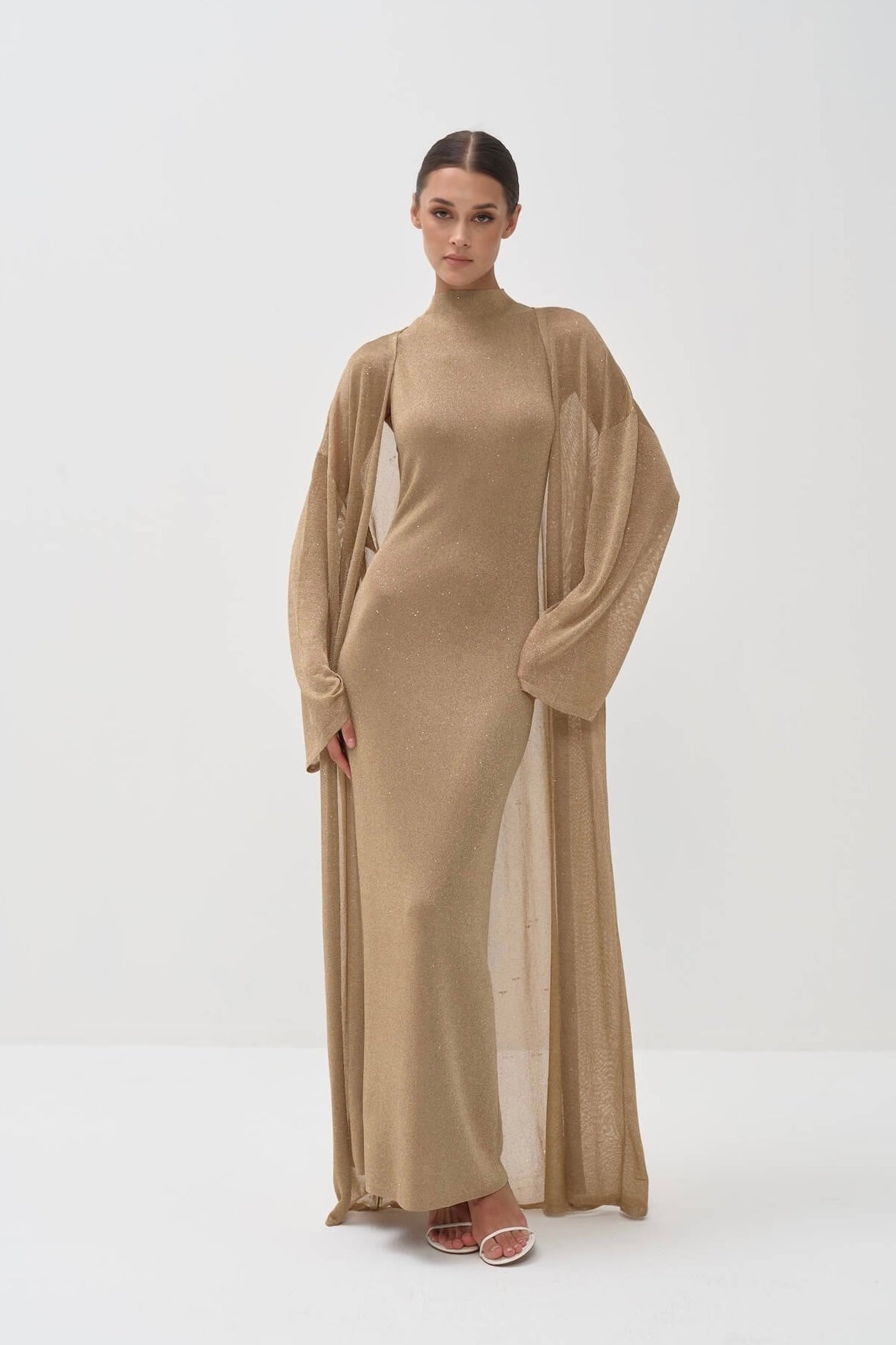
I learned this the hard way. Bought a bunch of fast fashion for a Yas Marina weekend. Half of it was unwearable by Sunday. Meanwhile, my friend wore the same Sevin Dress Set three different ways and looked fresh every time.
Which Fashion Brands Are Sustainable?
People always name the big global names first, and some of them do excellent work. But sustainability isn’t only a European conversation anymore, and it isn’t only about brand reputation.
Some of the most thoughtful choices come from brands closer to home, because the region already understands longevity. Our mothers and grandmothers kept clothing for years. Tailoring matters here. Craft matters. You see it in how women build wardrobes in Dubai, not just how they shop.
When I’m trying to figure out whether a brand is genuinely sustainable, I start with transparency. If a label can’t tell you where the fabric comes from, or what it’s made of, that’s your answer.
Specifics matter. Naia satin. TENCEL lyocell. Bamboo jersey. Certified cotton. These aren’t decorative words. They point to real decisions about water use, chemical processes, and worker safety.
Production matters too. Smaller batches reduce waste. Local manufacturing can reduce transport impact. Fair wages aren’t optional.
When a brand gets those pieces right, you feel it in the garment. It reads well. It wears well. It lasts.
Can Luxury Fashion Ever Be Fully Sustainable?
Let's be real: perfection doesn't exist. Fashion requires resources. Shipping has a footprint. Even the most sustainable fabric needs water, energy, labor.
But perfect is the enemy of good. The question isn't whether luxury fashion can achieve zero impact. The question is whether it can be radically better than what we have now. The answer? Obviously yes.
I had this conversation with a designer at Art Dubai. She pointed out that true luxury has always been about longevity. An Hermès bag isn't disposable, neither should be a dress. When you make something beautifully enough that someone keeps it forever, that's sustainable by definition.
The math is simple. One perfect piece worn 100 times beats 10 mediocre pieces worn twice.
The New Rules of Conscious Shopping
I don’t shop “less” as a rule. I shop with intention.
First, I know my fabrics. Viscose knit feels beautiful and can biodegrade. Bamboo jersey stays cool and soft in humidity. Naia satin has that silk-like finish, and it comes from renewable wood pulp. TENCEL lyocell feels polished, and it performs well in heat.
Once you understand fabric, you stop falling for vague claims.
Second, I think cost per wear. A 1,500 AED dress worn twice a month for two years works out to about 31 AED each time. That’s less than a drive from JBR to DIFC on a busy night. The “expensive” piece becomes the practical one when you choose it well.
Third, I buy from brands that show their work. If they use responsible materials, they say so clearly. If they pay fair wages, they don’t hide it behind soft language. Transparency is part of luxury now.
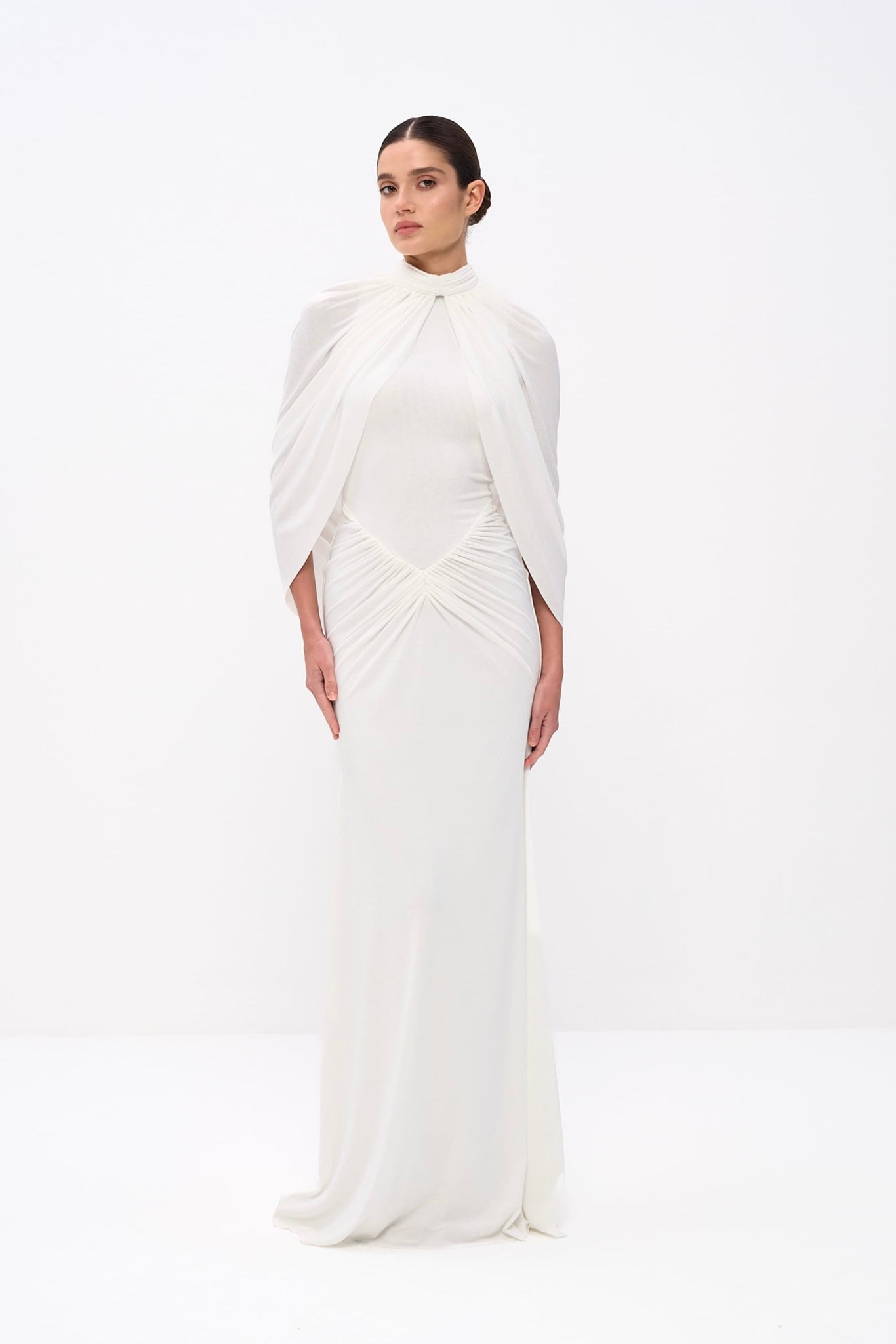
Fourth, I look for versatility. A dress that only works for one type of event is often a one-wear purchase in disguise. Something like the Talira Draped Dress in cotton jersey that can do dinner at La Petite Maison with heels, then a beach club day with sandals, that’s a piece that earns its place.
What Sustainable Fashion in Dubai Looks like?
There are plenty of formal categories and academic terms for sustainable fashion. They’re useful, but Dubai has its own version.
Here, it looks like choosing fabrics that handle heat and washing. It looks like buying from regional brands when possible. It looks like building a wardrobe around pieces that move between Ramadan gatherings, workdays, and weekends without requiring a new outfit every time.
A well-made abaya. A perfectly cut satin set. A Naia satin gown that wears like a dream and still feels responsible. These pieces aren’t just clothing. They’re the foundation of a life that moves.
The Sustainability Flex
Here’s what changed: Sustainability stopped feeling like virtue signalling and started feeling like taste.
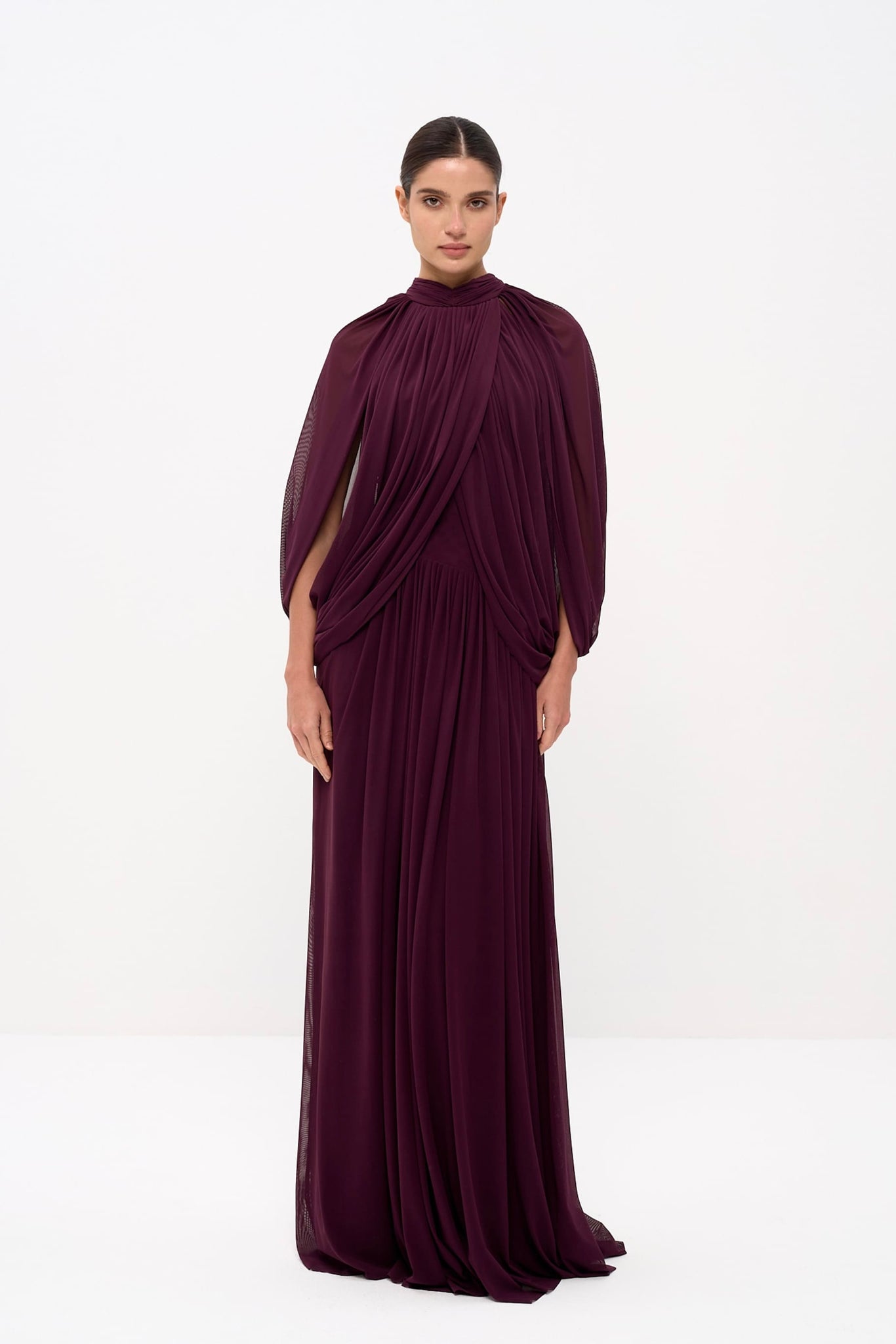
The woman in an Enza Pleated Gown at a Bulgari Resort opening knows what fabric she’s wearing. She also knows why she chose it. That’s the new kind of confidence, calm, informed, and very current.
My WhatsApp groups talk about supply chains now. We share fabric compositions. We notice when a brand makes vague claims without details. It isn’t dramatic. It’s just a higher standard.
Dubai women love beauty. They also love precision. Sustainable luxury fits both.