


Cost Per Wear Math That Actually Makes Sense
Last week at Zuma, my friend opened her banking app, scrolled, then smiled. She’d picked up eight dresses for her cousin’s wedding season, all under AED 200.
Unfortunately, by the fourth event, she received repeated looks. The lower-priced synthetics didn’t read well under the Burj Al Arab’s lighting, and one dress tore right as the zaffe started. She paid for last minute replacements and spent more than I did on my Thalia Strapless Gown.
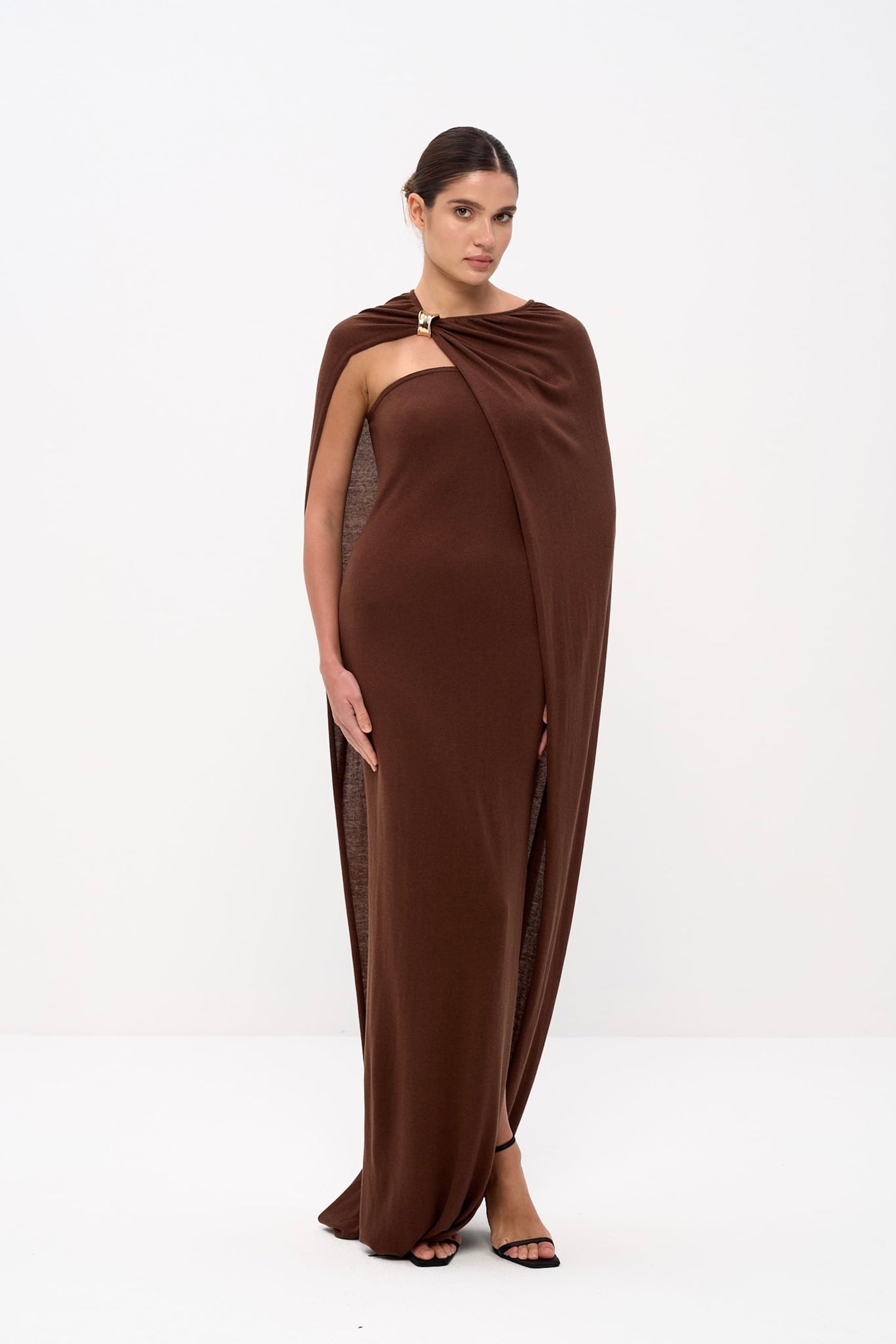
That’s when cost per wear for occasion-wear starts to make real sense. Not the pretend version where you convince yourself you’ll take a ballgown to brunch.
The Wedding Season Calculator
Dubai runs on a wedding calendar. November through March, you're hitting two or three events per month minimum. Add corporate galas at Atlantis. Art Dubai parties. Fashion Week events at d3. Your sister's engagement at Address Sky View.
Take my Adelie Maxi Gown in Soft Jersey, thats around AED 1,000. I've worn it to:
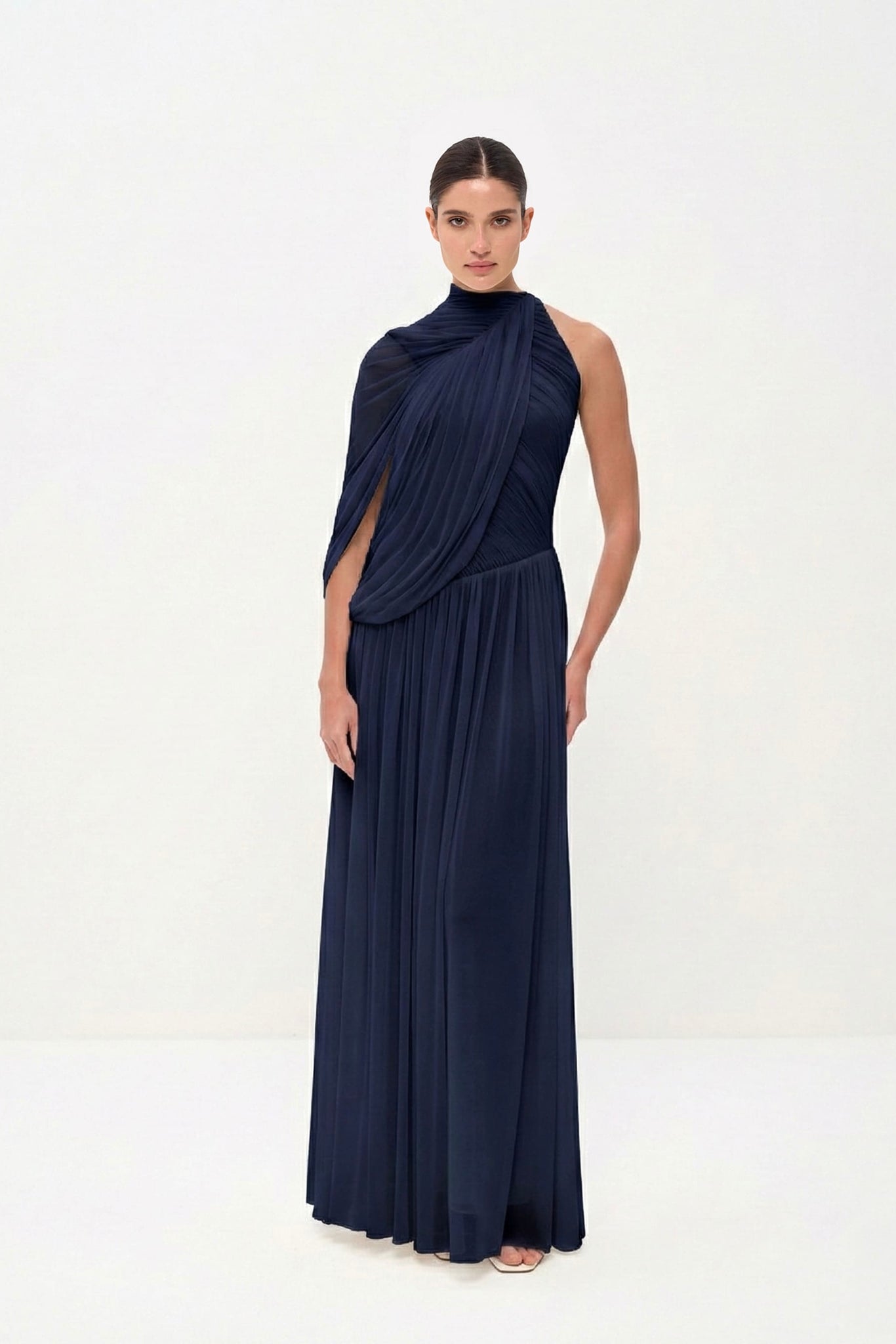
- My colleague's nikah at Jumeirah Mosque (March)
- DIFC Art Nights opening (March)
- Best friend's henna at her parents' house in Emirates Hills (April)
- Cartier dinner at Four Seasons (April)
- My cousin's wedding at Bab Al Shams (May)
Five wears already. Cost per wear is roughly: AED 220, and I still have six months of event season ahead.
Now compare it to fast fashion. You pick up a AED 150 dress in synthetic fabric that feels unforgiving outdoors. The fit needs adjustments (add AED 80). You wear it twice before it starts to feel familiar on camera. Cost per wear is AED 115, and the photos don’t read as refined.
The Screenshot Test
I open my camera roll and look at the last three events I attended. Then I picture those same moments in a Rayssa Scarf Gown. The drape. The way real satin catches light. The ease you feel because you aren’t checking straps every ten minutes or negotiating with static.
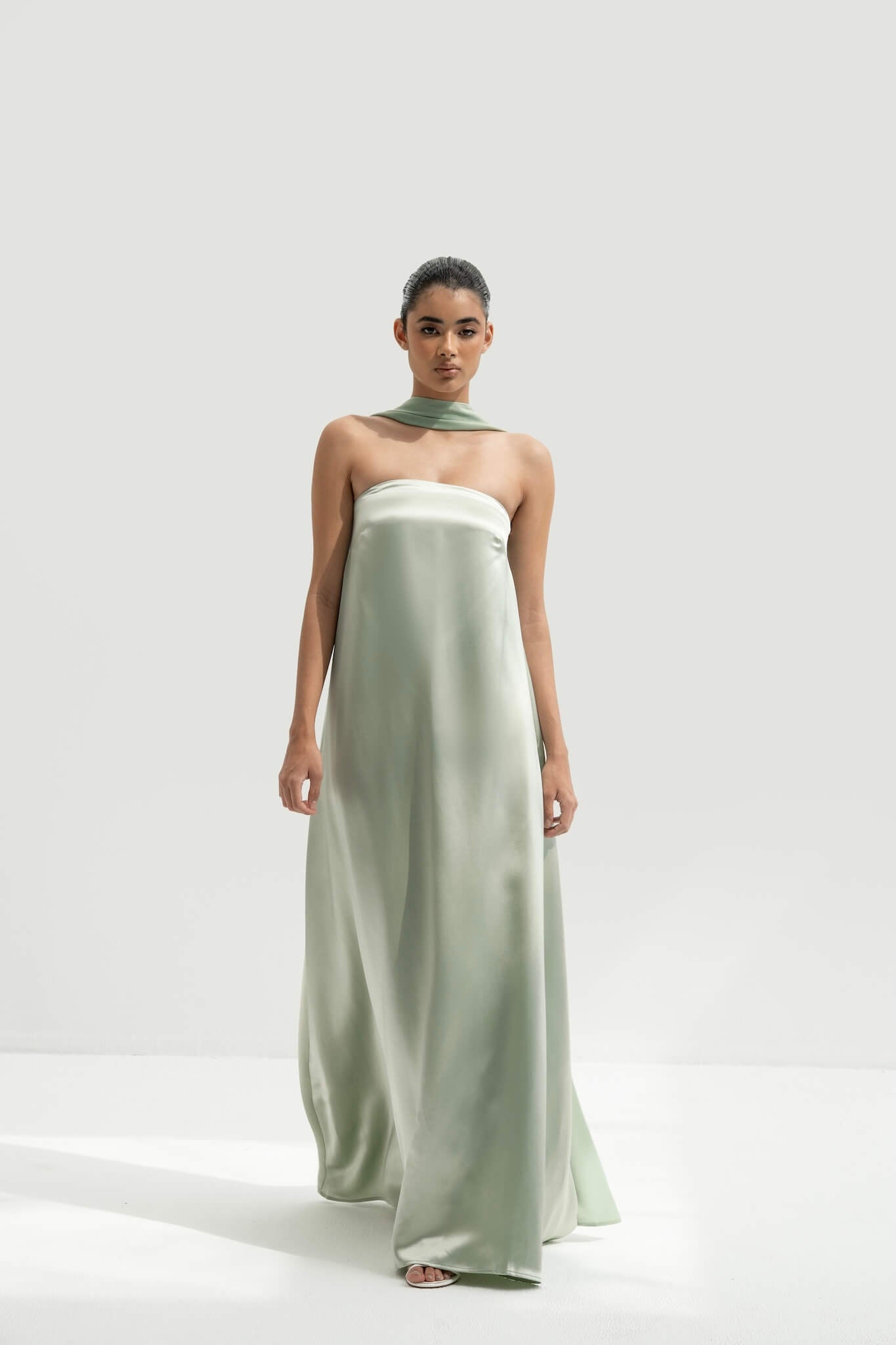
Good occasionwear reads well from every angle. You don’t delete 47 shots just to find one where the fabric looks calm and clean. And when a Vogue Arabia photographer moves through the crowd at Art Dubai, it’s nice to know your dress can handle the lens.
The Versatility Argument
Here’s the quiet secret about pricier dresses. They’re made to shift with you. My Avery Draped Set earns its space in my wardrobe because it works in more than one setting.
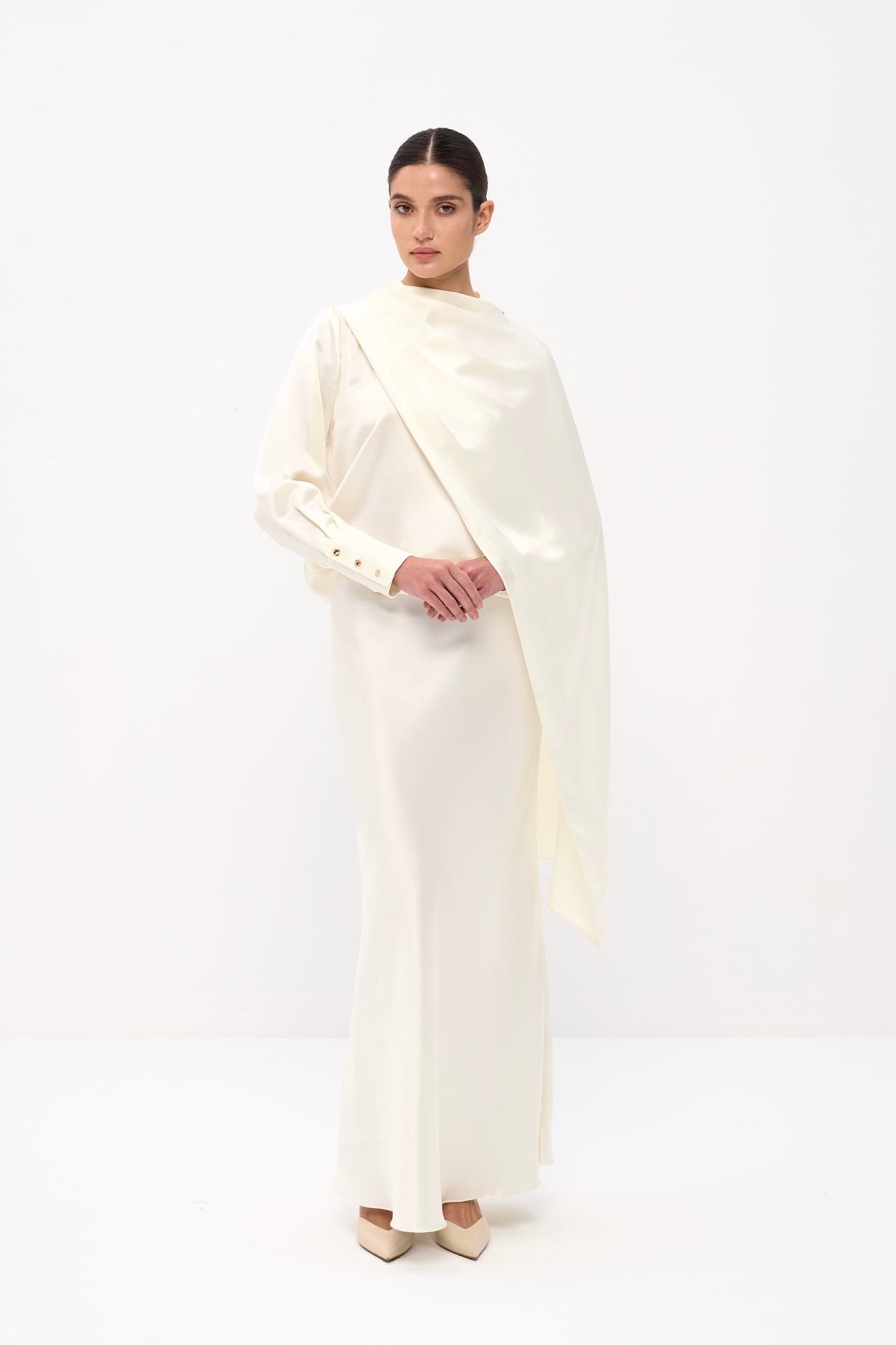 As a full set, it suits a walima at Palazzo Versace. I wear the top with blue trousers for a corporate gala in DIFC. I pair the skirt with a simpler top for a Ramadan iftar at La Petite Maison.
Storage Math Nobody Mentions
My friend with the eight event dresses is running out of closet space. Synthetics don’t fold neatly, and everything wants its own hanger. So much of her rail is taken up by pieces with very limited repeat value.
Meanwhile, better fabrics pack with intention. My Viscose Knits from NÓRA’s sets collection fold down to almost nothing. Bamboo jersey stays smooth. When you’re flying to a wedding in Beirut, that matters.
The Confidence Premium
There’s a cost to feeling slightly off. Or worse, unsure. Walk into a Khaleeji wedding in a dress that feels flimsy and you spend the night adjusting straps and keeping a distance from the photographer.
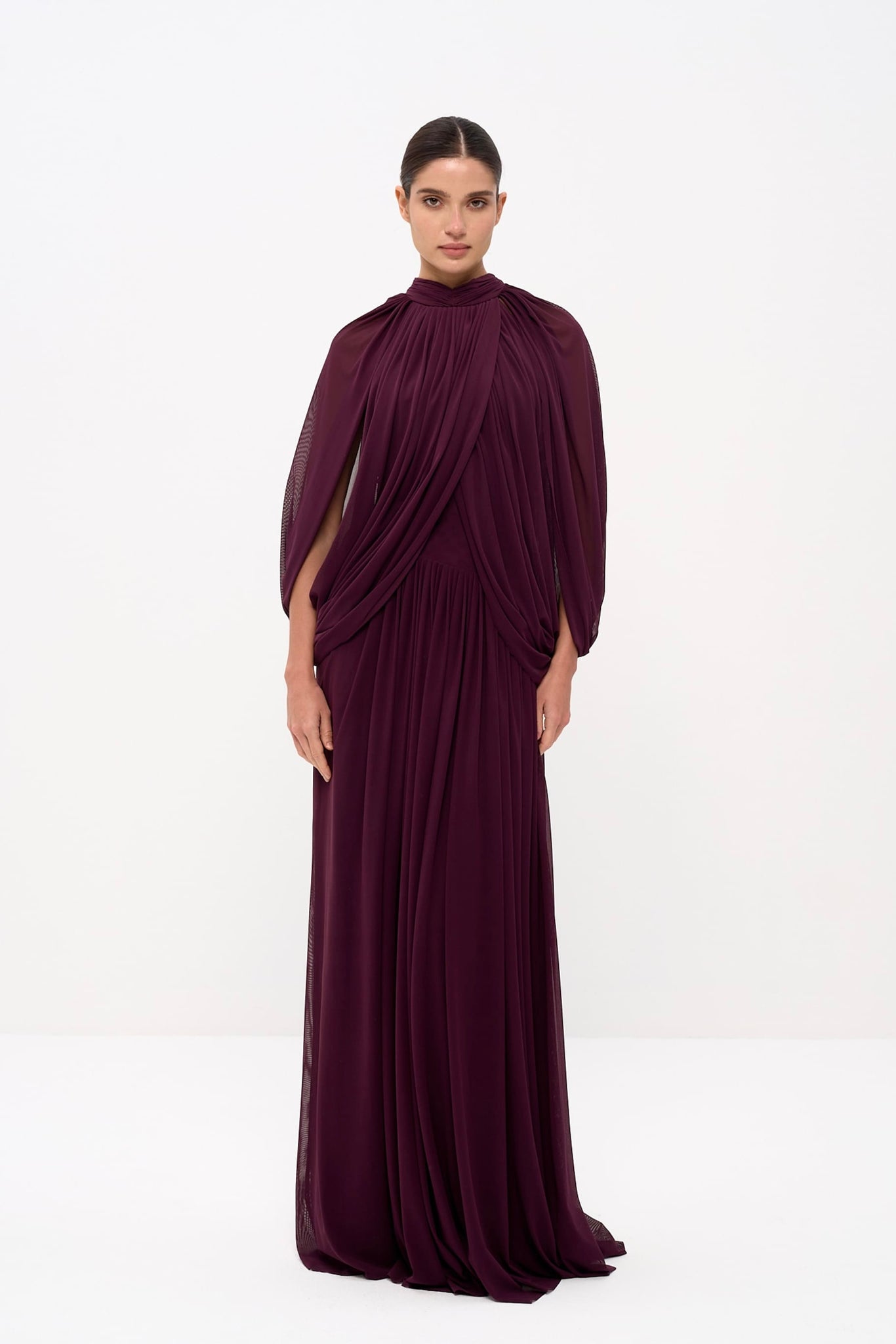
Wear something like the Enza Gown and your dress will make it's own statement. You’re present. You’re dancing. You step into photos because you want to, not because someone catches you mid-hesitation.
Rental Math vs. Ownership
Dubai’s rental market is busy for a reason. AED 400 to 800 for a designer dress you wear once can sound sensible, at least at first glance.
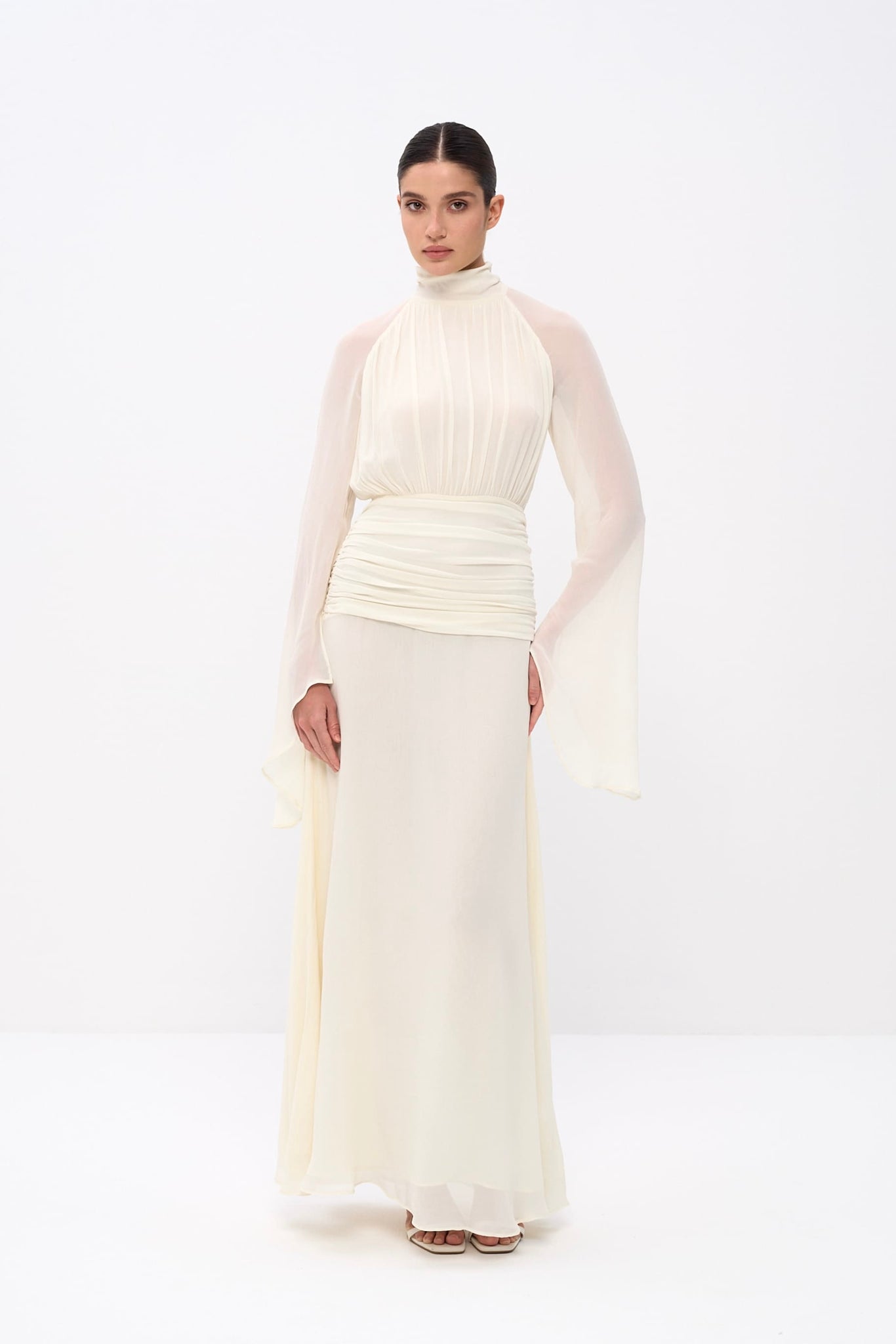
Then the year adds up. Four rentals can hit AED 2,400. Dry cleaning can add around AED 200. Late return fees show up more often than anyone plans. For AED 2,600, I’d rather own a Cyria Gown and a Sevin Dress Set. I wear them on my schedule. No deadlines, no handoffs, no mystery scent left behind.
The Sustainability Angle
Fast fashion occasionwear creates a waste problem. Those AED 99 sale dresses? They're designed to fall apart. The sequins shed microplastics. The synthetic fabrics never biodegrade.
I’d rather invest in bamboo jersey or TENCEL lyocell. Fibers that feel good in Dubai’s climate. Color that stays true through long nights. Seams that hold up when the dancing starts and the night runs late.
And honestly, very few people pass on a one-off ultra-budget wedding guest dress. It usually ends up in a bag, then disappears. A quality gown gets shared between sisters, resold on Vestiaire, or kept for years.
The Tailoring Factor
Lower-priced dresses rarely fit perfectly straight off the rack. I now assume AED 100 to 150 for alterations.
Better dresses usually need less intervention. Bamboo jersey dresses sits on the body in a flattering way, without fuss. I’ve spent more on alterations for fast fashion than some of my investment pieces cost. That’s before you count the dresses that couldn’t handle clean stitching because the fabric was too fragile.
The Occasion Expansion
Something else happens when you own genuinely good pieces. Your social life starts to widen. People remember the woman who looked polished at the first event, then they think of her again when they host the next one.
My Naia Satin Gown started a conversation with a gallery owner at Alserkal. That turned into an invitation to a private exhibition opening. Then I met her sister, who works at Vogue. One evening becomes another, and the circle gets warmer.
Breaking Down the Numbers
Let me show you my actual wardrobe cost analysis from last year:
Fast fashion approach (my friend's strategy): - 12 dresses purchased: AED 2,100 total - Worn 18 times combined - Cost per wear: AED 116 - Still functional: 3 dresses
Investment approach (my strategy): - 3 pieces purchased: AED 2,900 total - Worn 31 times combined - Cost per wear: AED 93 - Still functional: All 3 pieces
By year two, the math gets even better. Those three pieces will hit 60+ wears easily. Cost per wear drops to under AED 50. The fast fashion? Landfill.
When Expensive Actually Isn't
Sometimes a AED 1,200 dress costs less than a AED 200 dress. It sounds like fashion-editor talk until you put the details on paper.
Factor in:
- Wears per year
- Years of use
- Tailoring costs
- Replacement frequency
- Dry cleaning (better fabrics often need less)
- The ease you feel when you walk in
- The way invitations build
- Resale value
The Calendar Reality Check
I count my events for the next six months. Weddings. Galas. Iftars. National Day plans. Work parties. Art openings. Beach club birthdays. Yacht nights. That Fashion Week party I keep hearing about.
Then I price out buying a new dress for each. Even at fast fashion prices, it can hit AED 2,000 fast. And those are the clothes that feel dated in photos, then sit untouched.
Or I put that same amount into two or three pieces made for Dubai’s real social calendar. Dresses that read beautifully on camera. Pieces that hold up across seasons. Clothes that make the room feel familiar the second I walk in.
The math is straightforward. The photos back it up. Cost per wear drops with every event, while the disposable buys quietly add up. Quality occasion-wear isn’t a treat. It’s the approach that makes sense.