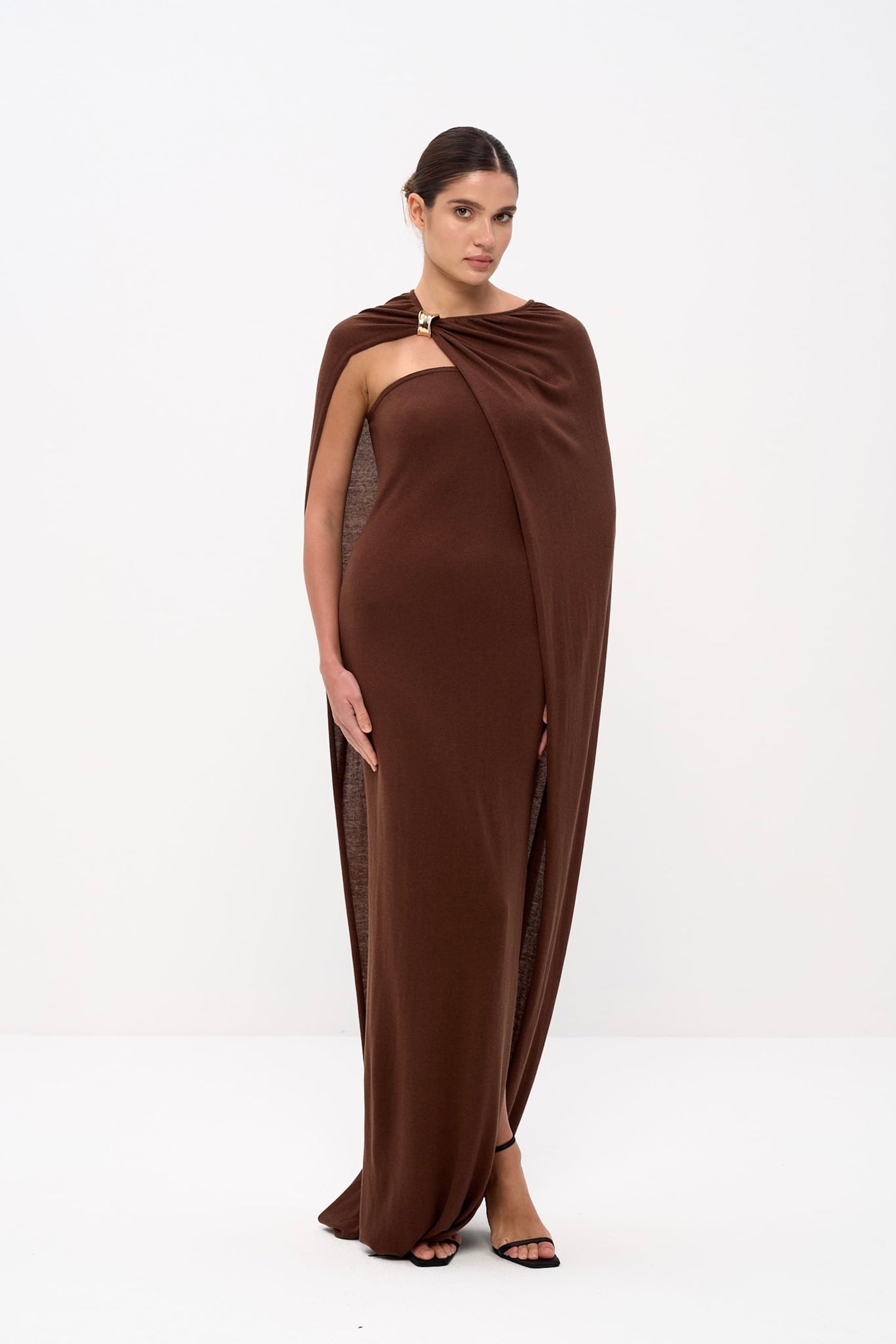
Why Your Luxury Dress Still Feels Hot
Last week at Zuma, I watched a woman in a beautiful, high-priced dress keep adjusting the fabric at her waist, then again at her back, then again as the starters arrived. Nothing looked wrong. The dress photographed well. It just didn’t feel right in the room.
Dubai does that. It turns fabric into a practical decision, not a romantic one. When the air outside is heavy and the air inside is cold, a dress either breathes with you or it starts to feel like it’s wearing you.
Most “luxury” dresses fail here for one quiet reason. The fibre content looks impressive on a hanger. It doesn’t hold up once you’re actually living in it.
The Part Nobody Mentions in-Store
You walk into Harvey Nichols. Or you’re upstairs at Level Shoes. The dress looks perfect under the lights. It has structure, it has shine, it has that smooth finish sales associates love to describe as “technical” or “modern.”
Then you wear it to La Petite Maison on a Friday. Twenty minutes in, you feel warmer than you should. The fabric stops moving. The lining starts to cling. You’re suddenly thinking about air conditioning instead of conversation.
That’s not you being dramatic. That’s fibre content.
Polyester, Dressed up Nicely
Polyester is a synthetic fibre. It can be useful when you want something crisp, structured, and wrinkle-resistant. It can also be the reason a dress feels airless in real heat, especially when it’s paired with elastane, nylon, or heavy lining.
Luxury brands use synthetics more often than you’d think. Not because they’re trying to trick you. Because synthetics are easier to cut, easier to ship, and easier to keep looking identical across production runs.
The problem is that Dubai doesn’t care how easy a fabric is for a factory. Dubai cares how it feels at 9 pm when you’ve moved from valet to lobby to table in under three minutes.
Why Blended Fabrics can Disappoint in Heat
Blends sound sensible. A little of this, a little of that, better durability, better drape. Sometimes that’s true.
In Dubai, the wrong blend often cancels out the best part of the natural fibre.
A cotton blend with a high synthetic percentage can lose that airy, comfortable feeling cotton is known for. A silk blend can lose silk’s natural temperature regulation and start behaving like the synthetic it’s paired with. Even viscose, which usually wears beautifully in warm weather, can feel less breathable once a synthetic share creeps up.
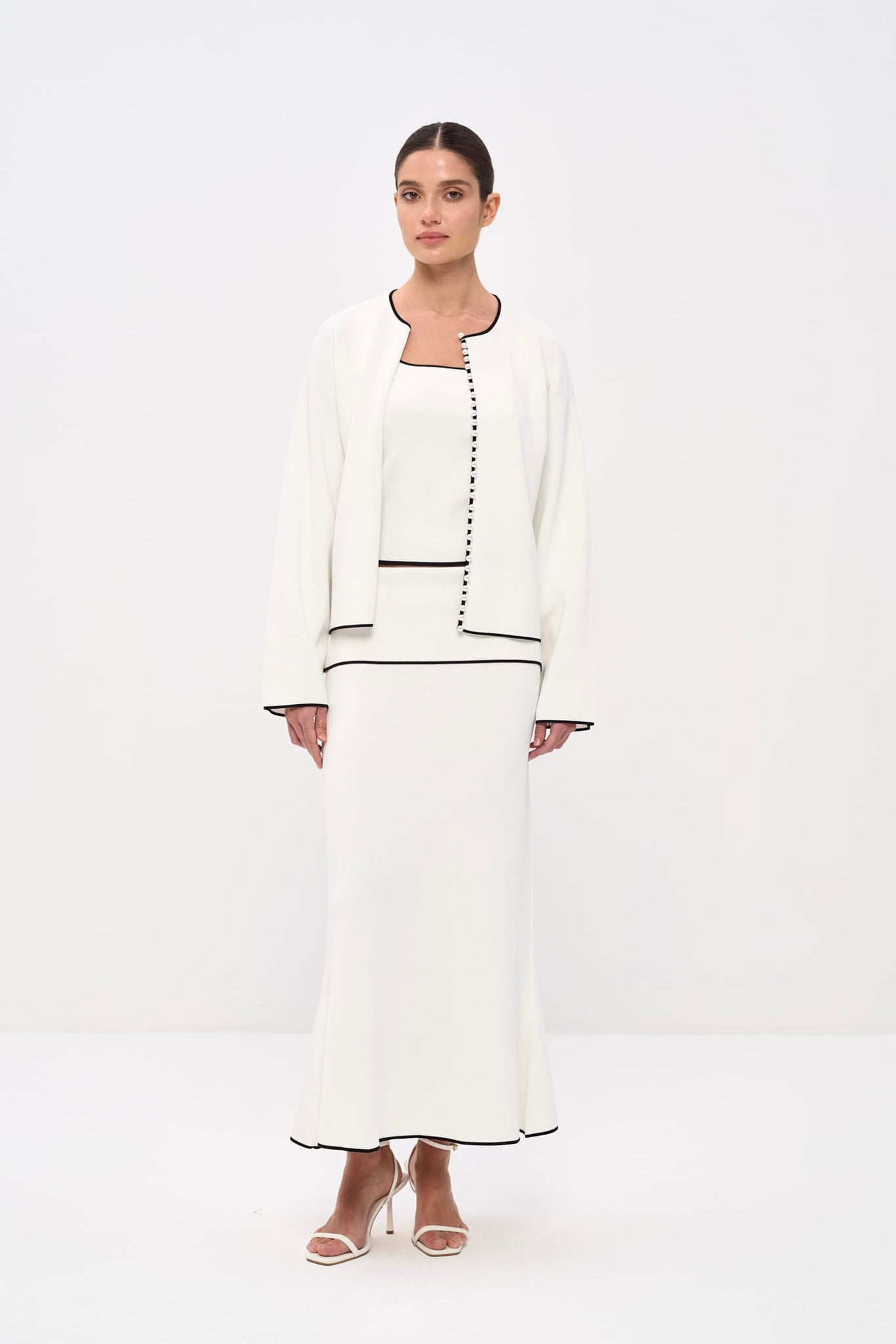
One blend that can work well is viscose with a small amount of elastane. Just enough to help a piece keep its shape, not so much that it traps warmth. This is the logic behind a good knit set, like NÓRA’s viscose knit pieces, which are made for real life here, not just studio lighting.
The "Natural” Label Trick
Sometimes the fibre content is presented in a way that sounds better than it wears.
“Cotton with stretch” can mean a high elastane percentage. “Modal blend” can mean modal paired with synthetics. “Recycled” can still mean synthetic. It may be a better choice from a waste perspective, but it won’t automatically feel cooler on your skin.
If a brand leads with the natural fibre, look for the number next to it. That number tells you how the dress will behave.
Fabrics that Feel Good in Dubai
After enough dinners, enough weddings, enough last-minute plans in DIFC, you start to recognise what works.
Linen
Excellent for daytime. It creases, yes. It also looks relaxed in a way that reads intentional, especially in Jumeirah and Al Quoz. A soft crease is part of the charm.
Bamboo jersey
One of the easiest fabrics to live in when you want comfort without looking casual. It feels cool, it moves well, it’s kind to skin. In Dubai, that matters.
TENCEL lyocell
This is the quiet overachiever. It manages moisture well, feels smooth, and reads refined. It’s the kind of fabric you can wear to dinner and still feel comfortable when you step outside after.
Viscose and modal
Beautiful for evenings when you want drape without heaviness. The way it falls is flattering, and when the fibre content is mostly pure, it wears well.
Silk
Real silk is still one of the best options when you want polish and comfort in the same dress. It regulates temperature in a way synthetics can’t replicate.
Naia satin
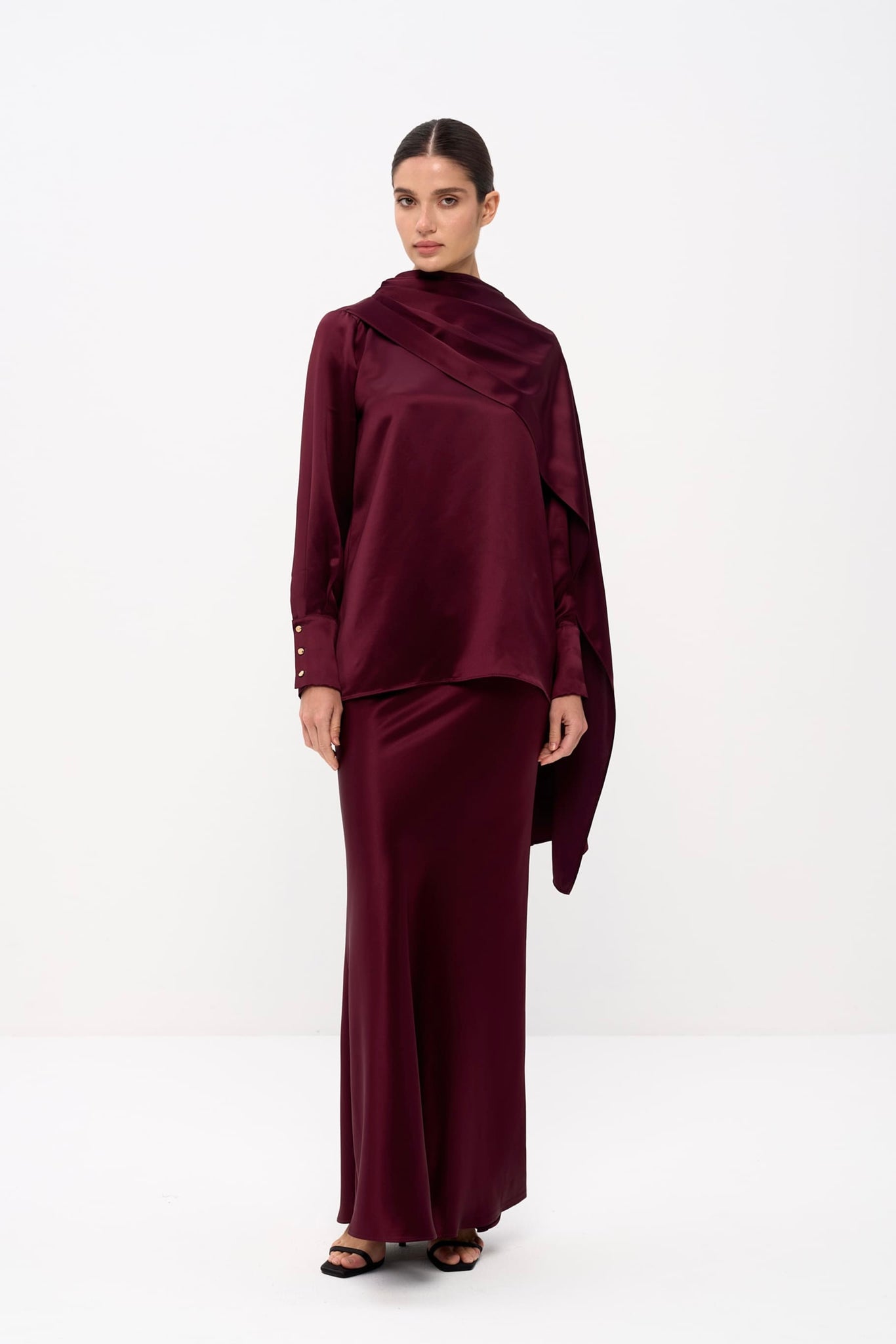
This is where modern fabric development actually feels useful. Naia is made from plant-based cellulose, and when it’s done well, it has that satin finish people want without the suffocating feel some synthetics can bring. It’s why NÓRA's Avery Top and Skirt Set uses it. It looks elevated, and it still feels wearable in a city that tests everything.
A Few Small Choices that Change Everything
Fabric is the foundation. Then there’s the styling, which matters more than most people admit.
Choose dresses with a little space through the body. Not oversized. Just not tight in the places that need airflow.
Pay attention to lining. A natural outer fabric can still feel uncomfortable if the lining is synthetic and heavy. A lighter lining, or a well-placed slip, can make a dress feel entirely different.
Undergarments matter. Fabrics like bamboo and modal under layers feel smoother and less restrictive than high-synthetic options.
If you’re doing a quick car-to-restaurant evening, you can get away with more. If your night includes any outdoor terrace time, or a walk between venues, choose fibers that breathe. It makes the whole night easier.
Reading labels like you live here
I check labels the way some people check restaurant reviews. Quickly. Every time.
Look for high percentages of "Natural fibres" or "Plant-based fibres." Look for "Single-fibre" compositions when possible. Look for elastane kept minimal.
If the label is vague, or says “mixed fibres” without detail, I treat it like a question mark. A dress should feel certain, especially at that price.
Why it Matters Beyond Comfort
When a dress doesn’t breathe, you spend your night managing it. You sit differently. You avoid certain seats. You think about the room temperature more than the table.
When the fabric is right, you forget about it. You’re present. You move normally. You stay for dessert without negotiating with your outfit.
That’s the real luxury. Not the logo. Not the price tag. The feeling that you can wear the dress, and the night stays yours.