


Why Buying Fewer Better Pieces Is Still the Boldest Style Move
Last week at DIFC, I watched a woman order her entire summer wardrobe on her phone between meetings. Twenty-three items. Most under 200 dirhams.
I get it. The dopamine hit of constant newness. The thrill of packages arriving daily. But here's what happened next: she showed me photos of her closet. Packed. Overflowing.
"I have nothing to wear," she said, scrolling through cart after cart of upcoming orders.
This is the fashion paradox of 2026. We have access to more clothes than any generation in history. Yet we feel less stylish, less confident, less ourselves than ever before.
The Closet Crisis Nobody Talks About
Walk into enough Dubai homes and you start to see the pattern. Closets with beautiful built-ins. Rails packed tight. Pieces that still look unfamiliar, even to the person who bought them.
A friend of mine, Sara, counted her wardrobe last month. 247 items. She wore a small fraction on repeat and the rest sat there like visual noise. Not “bad” clothes. Just clothes that didn’t earn their space.
The real cost isn’t only what you spend. It’s what it does to your mornings. You can’t see what you own. You forget what works together. You lose track of the pieces that actually suit your life because they’re buried under everything else.
I switched to buying fewer better pieces three years ago. Not because I'm some sustainability saint. Because I was tired of the morning panic. Tired of owning so much yet feeling like I had nothing.
What "Better" Actually Means
Better doesn’t mean expensive. I’ve seen high-price pieces lose their shape after a few wears. The number on the tag doesn’t promise anything.
Better means pieces that work harder. That fit your actual life, not some fantasy version where you attend galas nightly. That feel good against your skin in 40-degree heat. That survive real washing, real wearing, real living.
Take the Solene Cardigan Set I practically lived in last summer. Cotton Jersey that breathes in Dubai humidity. Elegant enough for Zuma dinner, comfortable enough for all-day wear. One dress, endless events. That's better.

Better means understanding fabric. Knowing why bamboo jersey stays cool when cotton blend clings. Why Naia satin drapes without that plastic sheen cheap satin gets. Why modal knit holds its shape after fifty wears.
Better means construction details you can't see in photos. French seams that won't unravel. Proper hem weights so skirts hang right. Reinforced stress points. The boring stuff that determines whether something lasts three wears or three years.
The Psychology of Less
Here's what they don't tell you about minimalism: it's not about deprivation. It's about clarity.
When you own fewer pieces, you know every item intimately. How it moves. What it pairs with. Which shoes work. Which bag elevates it. Getting dressed becomes automatic, not analytical.
I tested this last month. Packed for a two-week trip to Europe with eight pieces total. The Enza Gown for beach clubs and eventful summer dinners. A silk shirt that worked solo or over dresses. Two perfect trousers. You get the idea.
 Not once did I feel limited. If anything, I felt freed. No decision fatigue. No outfit regret. Just easy confidence every day.
The science backs this up. Choice overload is real. Too many options literally exhausts your brain. You make worse decisions. Feel less satisfied with what you choose. Buying fewer better pieces isn't limitation - it's liberation.
Why This Matters More Now
Fashion has sped up. Trends turn over quickly. New “must-haves” arrive daily in your feed. Brands release drops so often you can’t keep track.
Trying to keep up is tiring. Also, it’s a game you can’t win. By the time something arrives, there’s already a new thing that’s meant to replace it.
Opting out isn’t a loss. It’s maturity. Style has never been about the latest item. It’s about knowing what suits you, what you reach for, what holds up in your life.
Dubai makes this even more obvious. We don’t dress for four dramatic seasons. We dress for strong air conditioning, real heat, busy calendars. We need pieces that move easily between an office, a lunch, and a dinner reservation without needing a full outfit change.
The Courage to Choose
Why buying fewer better pieces is still the boldest style move comes down to this: it requires actual decision-making. No hiding behind trends. No blaming fast fashion. No safety in numbers.
When you commit to fewer pieces, each choice matters more. You can't impulse-buy your way out of a mistake. You have to think. Consider. Choose deliberately.
This scares people. What if you choose wrong? What if you get bored? What if everyone notices you wearing the same dress again?
Here's the secret: nobody cares. I've worn the same Elora Gown to three weddings this year. Different styling each time - statement earrings once, minimal jewelry another, bold clutch for the third. Not one person noticed. Or if they did, they didn't care.
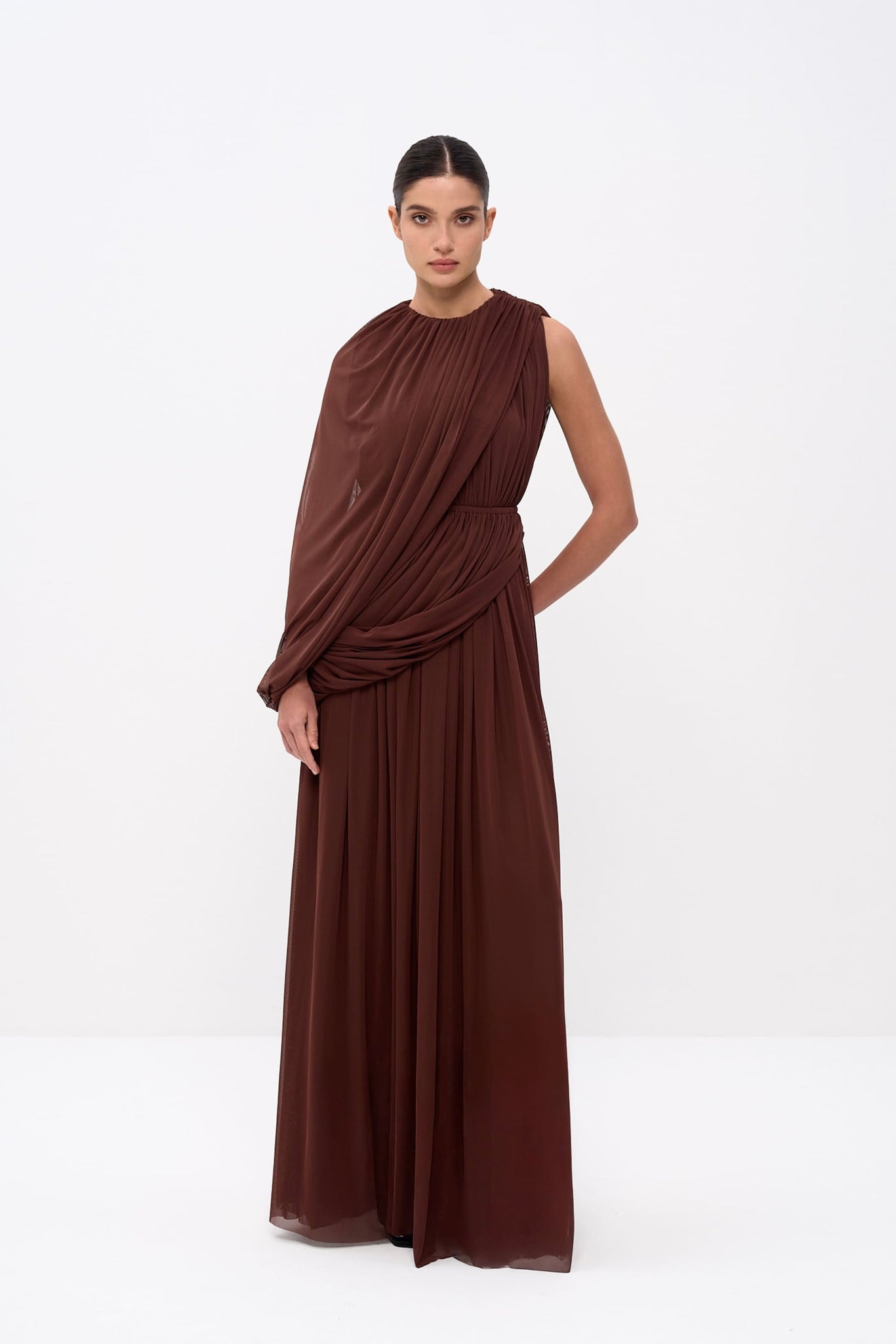
People remember how you made them feel, not what you wore. They remember your confidence, your conversation, your presence. Not whether they've seen that outfit before.
Building a Smaller, Smarter Wardrobe
Start with math. Track what you actually wear for one month. Most women wear 20% of their closet 80% of the time. Find your 20%. That's your foundation.
Notice patterns. Maybe you always reach for midi lengths. Or prefer set pieces over separates. Or live in neutral tones despite owning rainbow colors. These patterns reveal your true style.
Consider your actual life. I spend more time at beach clubs than board rooms. My wardrobe reflects that. Your ratios will differ. A lawyer needs more suiting. A yoga instructor needs more activewear. Obvious, yet we all buy for lives we don't actually live.
Think in outfits, not items. Every piece should work with at least three others you own. If something only pairs with one specific item, it's decoration, not wardrobe.
Invest in versatility. A perfect knit sets beats five mediocre dresses. Worn together, it's polished. Separated, the pieces multiply your options. That's smart math.
The Quality Question
Let's address the elephant: budget. "Buying better" sounds expensive. Sometimes it is. But consider cost per wear.
That 150-dirham dress worn twice costs 75 dirhams per wear. A 600-dirham dress worn fifty times costs 12 dirhams per wear. Which is the better value?
Quality also means longevity. Cheap fabrics pill, fade, stretch out. Cheap construction fails at stress points. Cheap dyes bleed or fade. You end up replacing constantly, spending more over time.
But quality doesn't always mean luxury prices. It means choosing natural or new fibers over petroleum-based synthetics. It means checking seams before buying. It means reading care labels and following them.
The Social Side
Here's what nobody mentions: buying fewer better pieces changes your social actives. When you stop participating in constant consumption, some friendships reveal themselves as shopping buddies, nothing more.
But you also find your people. Women who get it. Who appreciate style over trends. Who notice beautiful construction or perfect draping. Who understand that confidence beats novelty every time.
These women exist everywhere in Dubai. At art galleries in Alserkal. At quiet cafes in Jumeirah. At sunset yoga on Kite Beach. They're not chasing anything. They've already arrived.
Getting Started
You don't have to overhaul everything at once. Start with one category. Maybe dresses, if that's your weakness. Stop buying randomly. Make a list of what you actually need. What occasions you dress for. What silhouettes flatter you.
Then research. Feel fabrics in person. Try things on properly - sit down, raise your arms, walk around. Check construction details. Ask about care requirements. Make informed choices.
Give yourself time. The urge to constantly acquire takes time to quiet. Find other sources of novelty - new restaurants, new books, new experiences. Fashion doesn't have to be your only creative outlet.
The Long Game
Three years into buying fewer better pieces, my closet is half the size it was. Yet I feel more stylish than ever. Getting dressed takes five minutes. Everything fits. Everything works together. Everything makes me feel like myself.
The money saved goes to better things. Trips to Japan. looking lessons. That new Lebanese restaurant everyone's talking about. Experiences over materialistic items.
But the real win is mental space. Not thinking about fashion constantly actually makes you more stylish. You develop a uniform that works. You stop second-guessing. You show up as yourself, not as someone playing dress-up.
This is why buying fewer better pieces remains the boldest move in fashion. It's countercultural. Anti-algorithm. Deeply personal.
In a world screaming "more," choosing "enough" is revolutionary. In a culture of constant change, staying consistent is radical. In an economy built on insecurity, feeling confident is rebellion.
So yes, that woman at DIFC with her 23-item order will get her packages. She'll feel that quick hit of newness. But in six months, she'll be back where she started. Overwhelmed. Unsatisfied. Shopping for solutions to problems shopping created.
Meanwhile, those of us playing the long game will be wearing our favorite pieces for the hundredth time. Still loving them. Still feeling ourselves. Still not missing the noise.
The future of style isn't about having more options. It's about making better choices. One perfect piece at a time. Start with your next purchase - make it count. Your future self will thank you when she opens a closet full of pieces she actually loves, wears, and feels incredible in.