


What Makes a Co-ord Worth Buying?
I was in my closet last Tuesday, looking at three matching sets I bought last year and barely wore twice. You know the feeling. They looked perfect together in the store, then in real life the pieces on their own just sat there, taking up space.
That's when I started thinking seriously about what makes a co-ord worth buying. The interchangeability test changed everything for me. Here's what I learned after auditing my entire wardrobe (and returning half of it).
The Problem With Most Matching Sets
Last month at Nammos, I watched a woman walk in wearing this incredible satin set. Brown colored, perfectly draped. She looked expensive. Two hours later, I saw her friend wearing what I swear was the exact same set, just in Ivory.
That's the first problem. When co-ords only work as co-ords, everyone ends up looking like they shopped the same Instagram ad.
The second problem hits your wallet. You're essentially buying one outfit for the price of two pieces. If that blazer only works with those specific pants, you just paid double for a single look.
I learned this the hard way with a python print set I bought in 2023. The top was cut specifically to hit at the waistband of the matching skirt. Wore it with jeans once. Looked like I was playing dress-up in my mom's clothes.
The Interchangeability Test Explained
Here's my rule now: Before buying any co-ord, I mentally style each piece three different ways. If I can't immediately think of three outfits for each piece separately, I walk.
Take the Roisin Satin Set I just ordered from NÓRA. The top works with my high-waisted trousers for client meetings. The trousers pairs with a simple white tank for beach clubs. Together they're a dinner outfit. Apart they're a whole wardrobe.
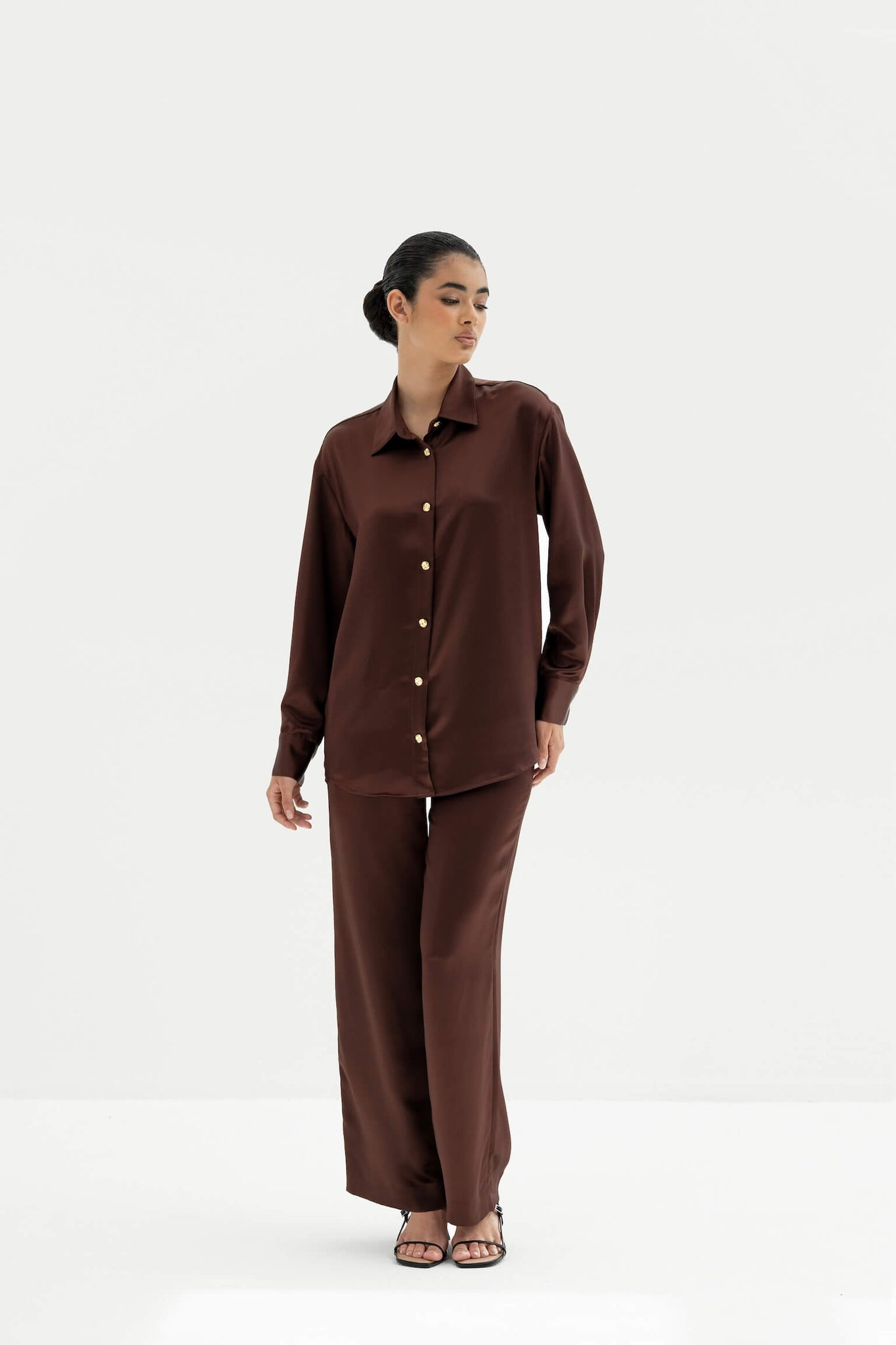 Good co-ords multiply your options.
What to Look For
Fabric matters more than you think. Viscose knit, bamboo jersey, cotton jersey - these fabrics move. They drape differently depending on what you pair them with. Stiff, structured sets usually fail the test because they're designed as a unit.
Color is everything. Neutrals obviously work better solo. But even bright colors can pass the test if the shade is right. I have a terracotta knit set where both pieces have become workhorses in my closet. The color goes with navy, cream, olive, black.
Cut is crucial. A top that ends at your natural waist will work with multiple bottoms. One that's cropped to show exactly two inches of skin with its matching skirt? That's a one-trick piece.
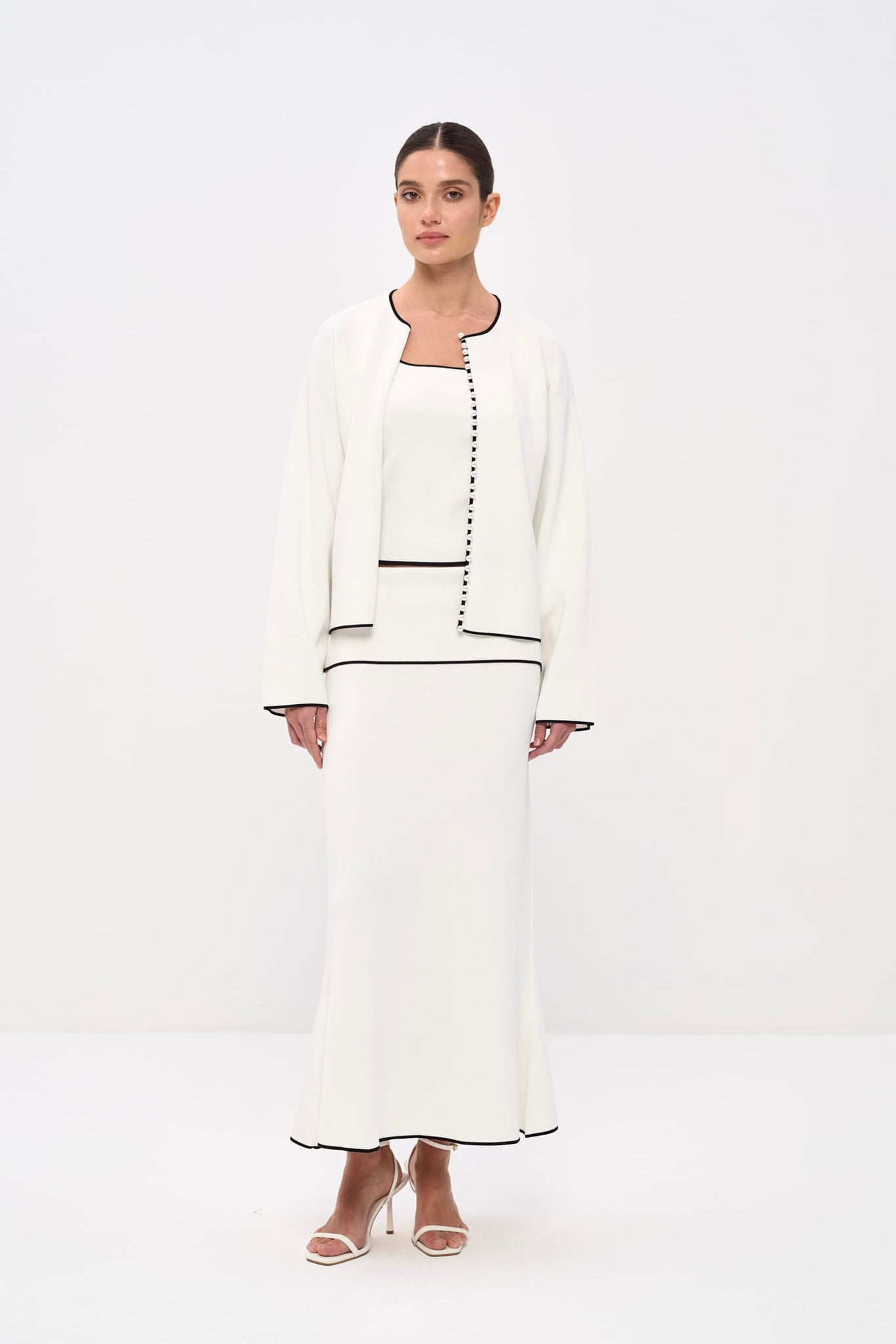
The Seraphine Three Piece Set gets this right. The skirt starts at the hip, not at some awkward point that only works with one waistband height.
My Personal Test Results
I went through every co-ord I own. I wanted to know what actually earned space and what was only taking it.
Winners: a black viscose knit set where the tank became my favorite layering piece, a linen shirt and pants combo where the shirt now lives with my jeans, a ribbed skirt set where the skirt works with almost everything, and a bamboo jersey co-ord where the top pairs easily with tailored trousers.
Losers: the python print experiment, a tweed set with such specific proportions that the blazer felt wrong with anything else, a satin pajama-style set that only made sense for “going out” (a category my calendar doesn’t really support anymore), and a sequined set that felt too specific once the pieces were separated. Out of twelve sets, only four passed.
Real-World Styling
Here's how I style my best co-ords now. My Madeline knit set from last summer: The top goes well for work, over bike shorts for Pilates, alone with wide-leg pants for dinner. The skirt works with button-downs, tank tops, even oversized tees knotted at the waist.
My friend Sarah has this incredible approach. She buys co-ords but stores the pieces separately in her closet. Forces her to think of them as individual items first, matching set second. Genius.
I tried it. Changed everything. That viscose set I mentioned? Haven't worn the pieces together in months, but I've worn them separately at least twice a week.
The Shopping Strategy
Now, I have a system. First, I check if each piece would stand alone in a store. Would I buy that top by itself? Would that skirt catch my eye solo?
Second, I think about my existing wardrobe. What would each piece pair with? I actually keep a photo album on my phone of my basics - white tees, blue jeans, black trousers. Makes it easier to visualize combinations.
Third, I consider the care instructions. This sounds boring but hear me out. If a co-ord needs special care, you're less likely to split it up. Machine washable pieces get worn more, period.
When Breaking the Rule Makes Sense
Sometimes you need a knockout matching moment. Weddings. Gallery openings. That dinner where you need to look like you have your life together.
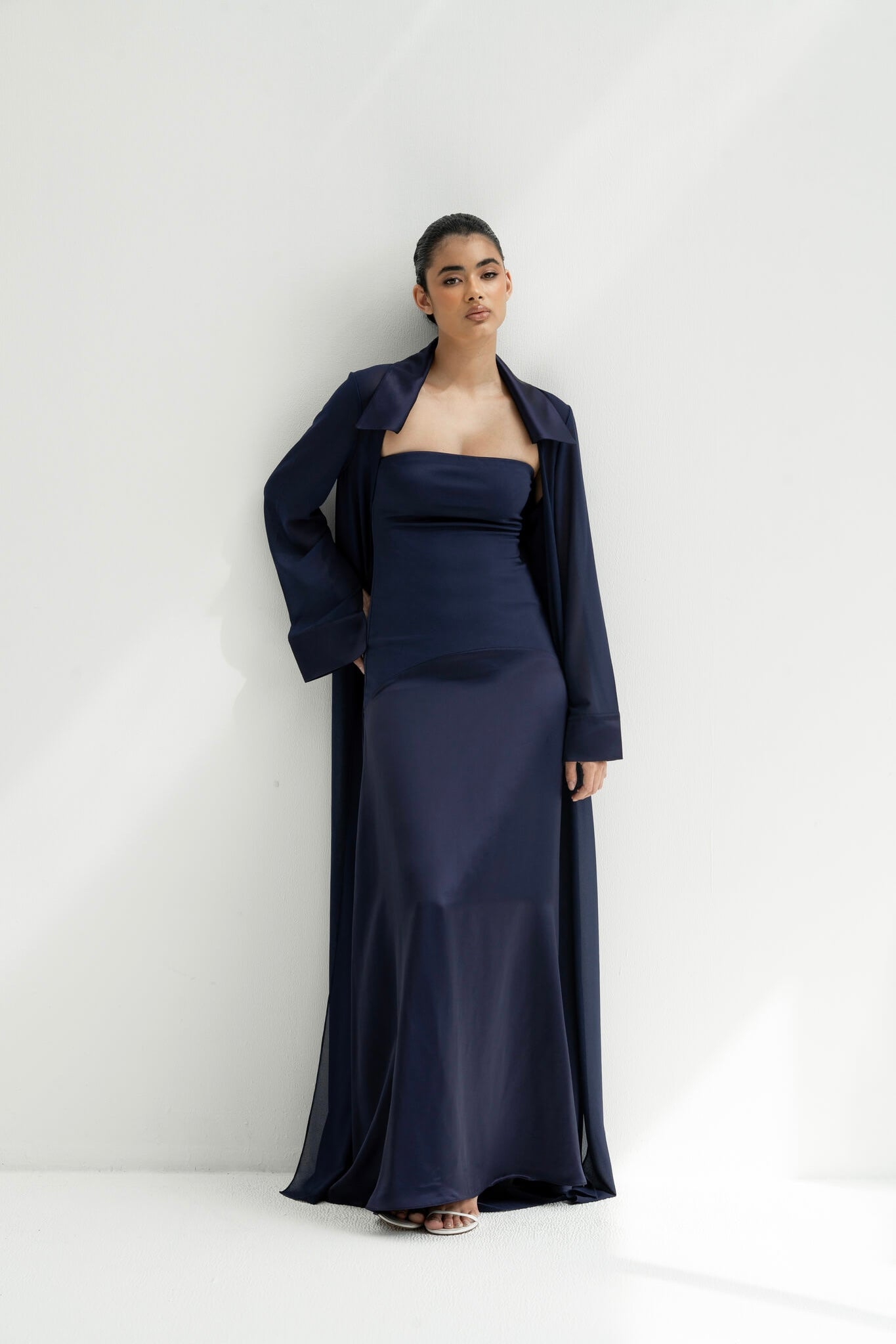
For these moments, the interchangeability test matters less. I have one pure satin co-ord that definitely fails the test - the proportions only work together. But for black-tie events? Worth every dirham.
I'm talking about the Amira Jacket & Dress Set. It's investment dressing for moments when you need drama. Not everyday pieces, but sometimes that's exactly what you want.
The Cost Per Wear Reality
Let's talk money. A co-ord that costs 800 dirhams seems reasonable until you realize you'll wear it maybe five times as a set. That's 160 dirhams per wear.
But a co-ord where each piece works separately? If you wear each piece even ten times solo, plus five times together, that's 25 wears total. Now you're at 32 dirhams per wear. Much easier to justify.
I started tracking this in my Notes app. Turns out my "expensive" purchases that pass the interchangeability test cost less per wear than my "bargain" sets that only work together.
Building a Smarter Wardrobe
The best part about the interchangeability test is how it's changed my whole approach to getting dressed. My closet feels bigger even though I own less.
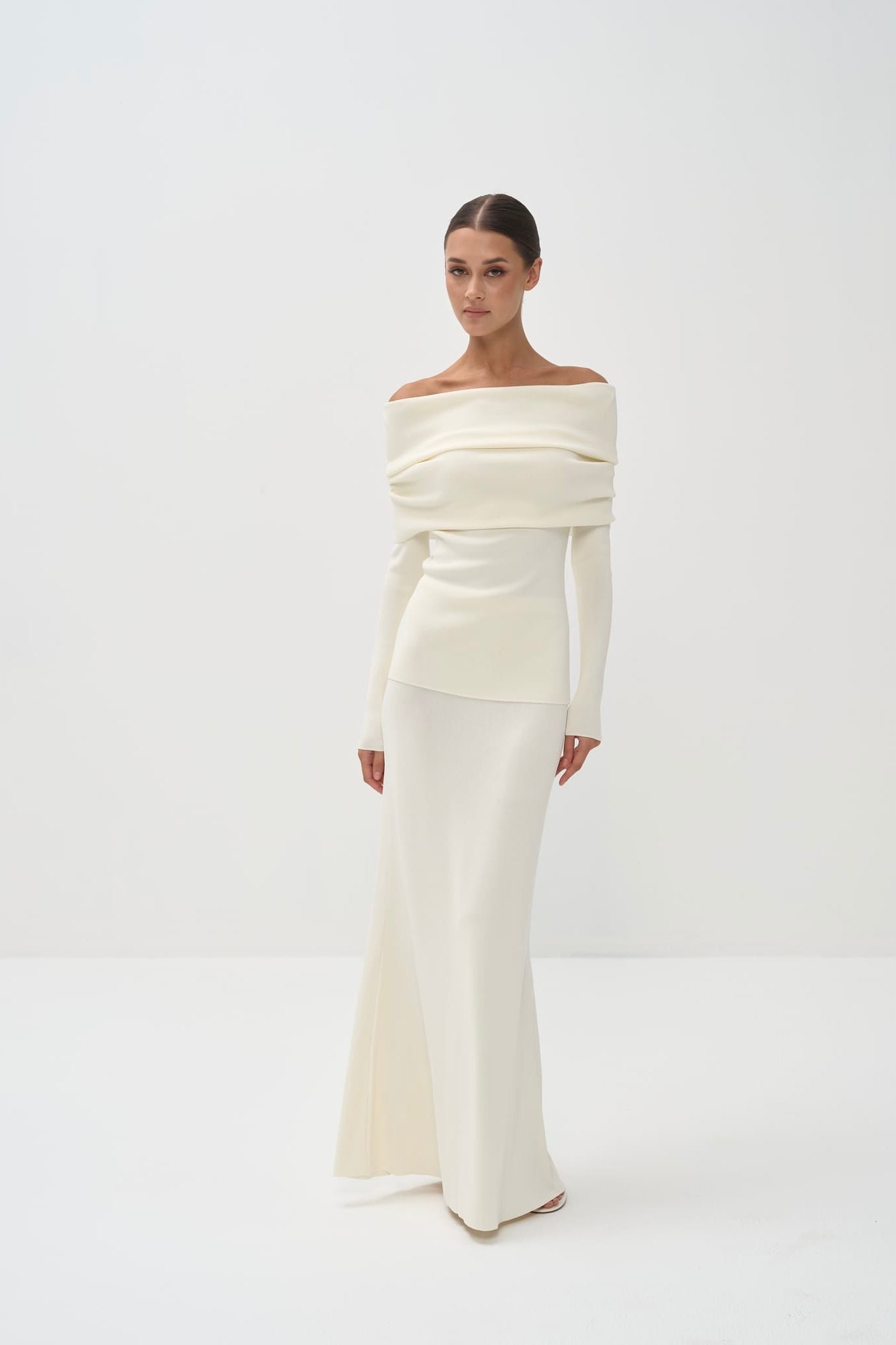
Those four co-ords that passed my test? They've basically given me twenty new outfits. The Liana Maxi Dress Set alone has solved my "what to wear to brunch" crisis permanently. The dress with by itself. The cardigan with a cami and pair of jeans. Together for evening drinks.
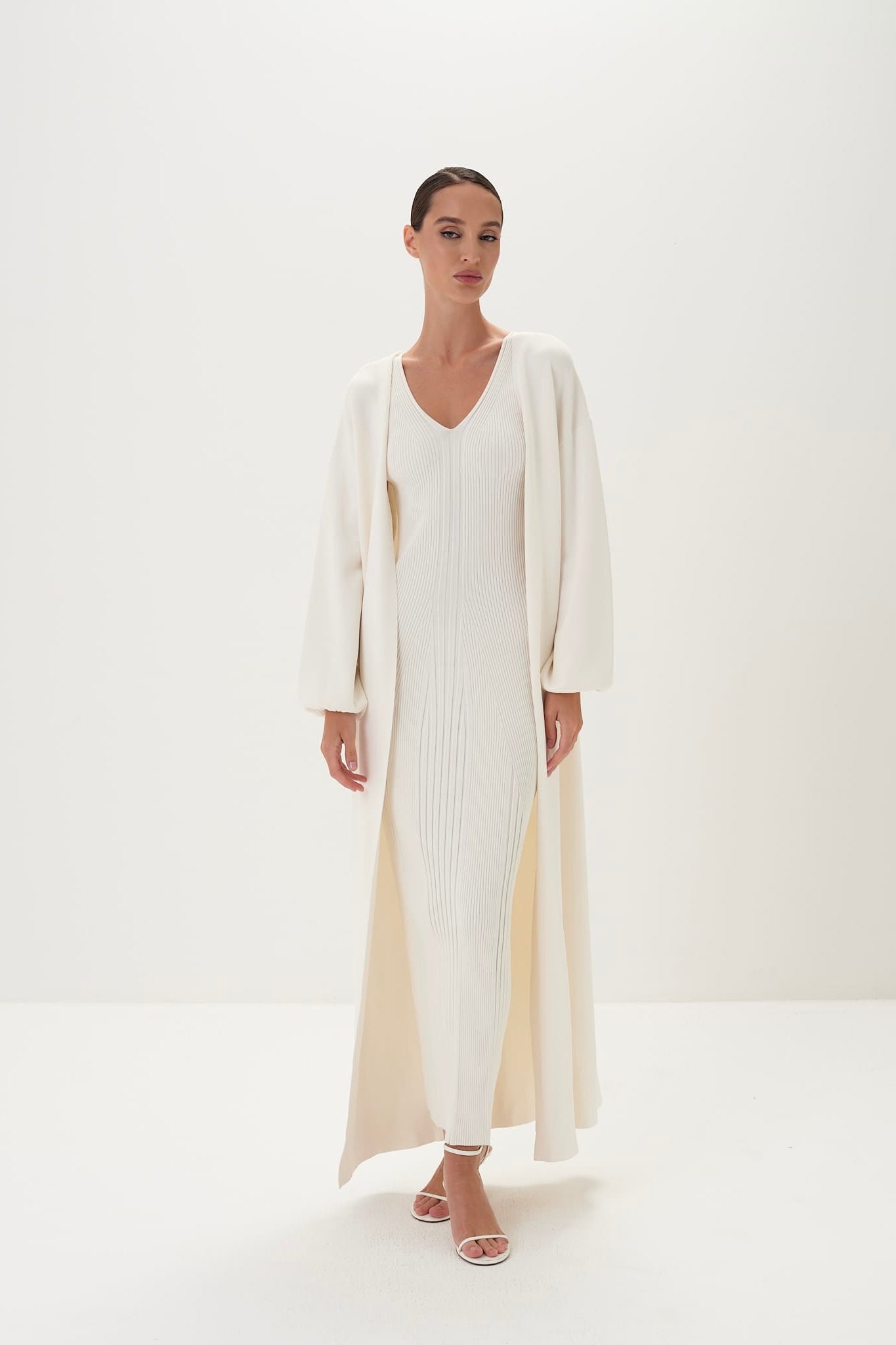
My friend who works in fashion told me something brilliant: "Good design is invisible. Good co-ords don't scream 'matching set' - they whisper 'intentional dresser.'"
My New Shopping Rules
I've gotten strict about this. No more impulse co-ord purchases just because they photograph well. Every set has to answer these questions:
Would I be happy if I lost one piece and only had the other? Can each piece work with at least three things I already own? Does the fabric and cut allow for different styling?
If the answer to any of these is no, I keep walking. There's always another set. But there's not always another chance to build a wardrobe that actually works.
Since I started using the interchangeability test, my cost per wear has dropped by half. My morning stress has basically vanished. And I've stopped looking like I'm wearing a uniform to every event.
The co-ords sets that pass this test become the foundation of a working wardrobe. They're investments, not impulse buys. They solve problems instead of creating them. Most importantly, they make getting dressed feel like possibility, not limitation.